Finding the right gearbox solution for your operations can feel like a balancing act between performance, cost, and reliability. With so many options available, it's easy to get lost in technical jargon that doesn't speak to your real concerns. Choosing the wrong gearbox can lead to costly delays and equipment failures.
You need a solution that works, not just on paper, but in practice, reducing risks while improving the reliability of your machinery. A two-stage reduction gearbox could be the right fit, but how do you know for sure?
In this blog, we’ll explore the design and function of two-stage reduction gearboxes, their benefits in real-world operations, how to select the right one for your needs, and their alternatives.
TL;DR
Two-stage reduction gearboxes reduce motor speed and increase torque, making them ideal for heavy-duty applications.
They improve energy efficiency, reduce downtime, and extend equipment lifespan.
Key benefits include lower maintenance costs, improved throughput, and better performance under heavy loads.
Consider factors like torque, speed reduction, and space constraints when selecting the right gearbox.
Alternatives such as worm gears, inline reducers, and variable-speed motors may be more suitable for specific needs.
What Is a Two-Stage Reduction Gearbox?
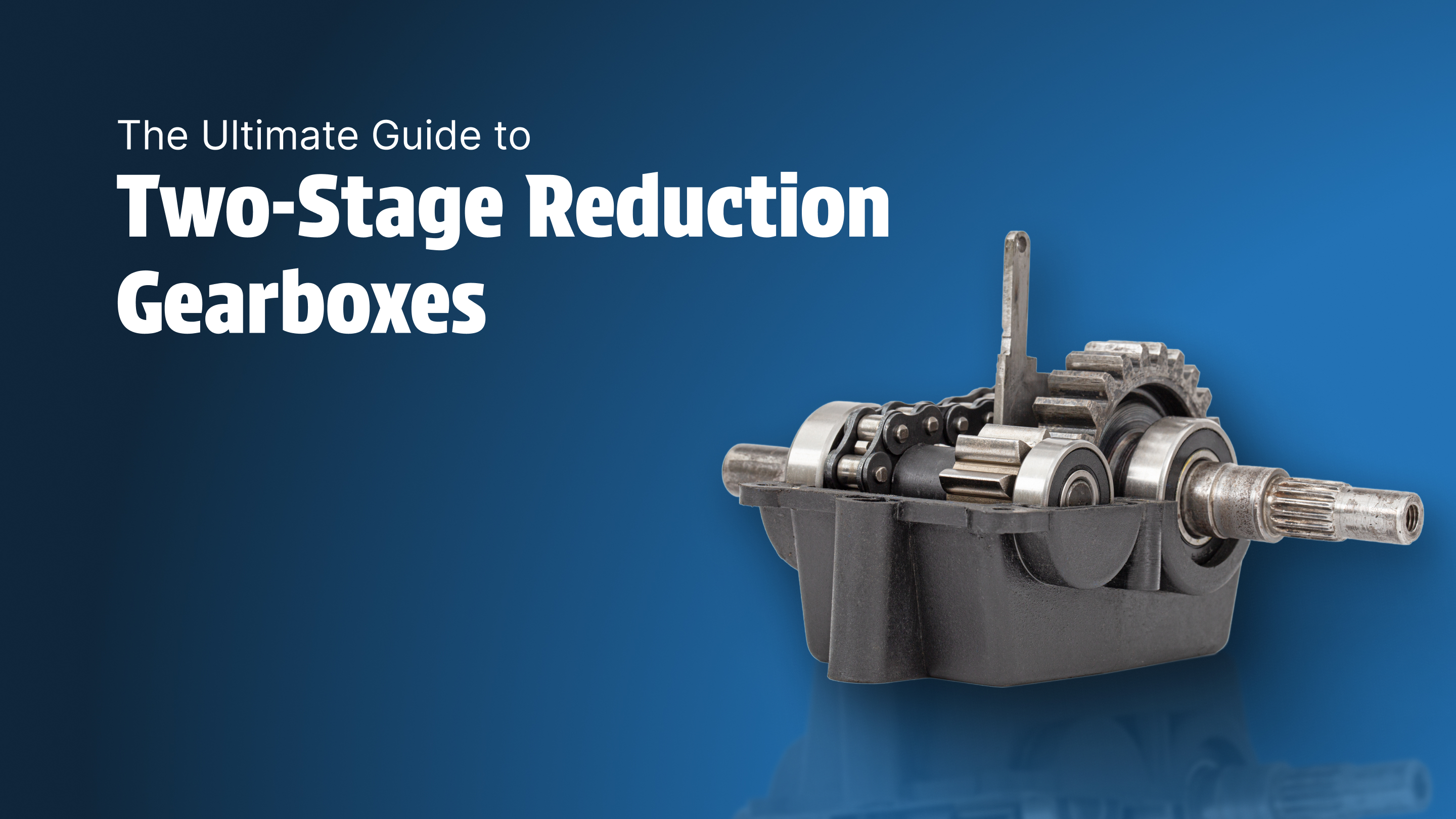
A two-stage reduction gearbox is a mechanical device designed to reduce the speed of a motor while increasing the torque. It does this through two sets of gears, where the first set reduces the speed, and the second set further reduces it to achieve the desired output speed.
This setup is commonly used when high torque at low speeds is required, allowing machines to run smoothly and with better control. They are a reliable choice for industries that require continuous, heavy-duty operations.
Common Applications of Two-Stage Reduction Gearboxes
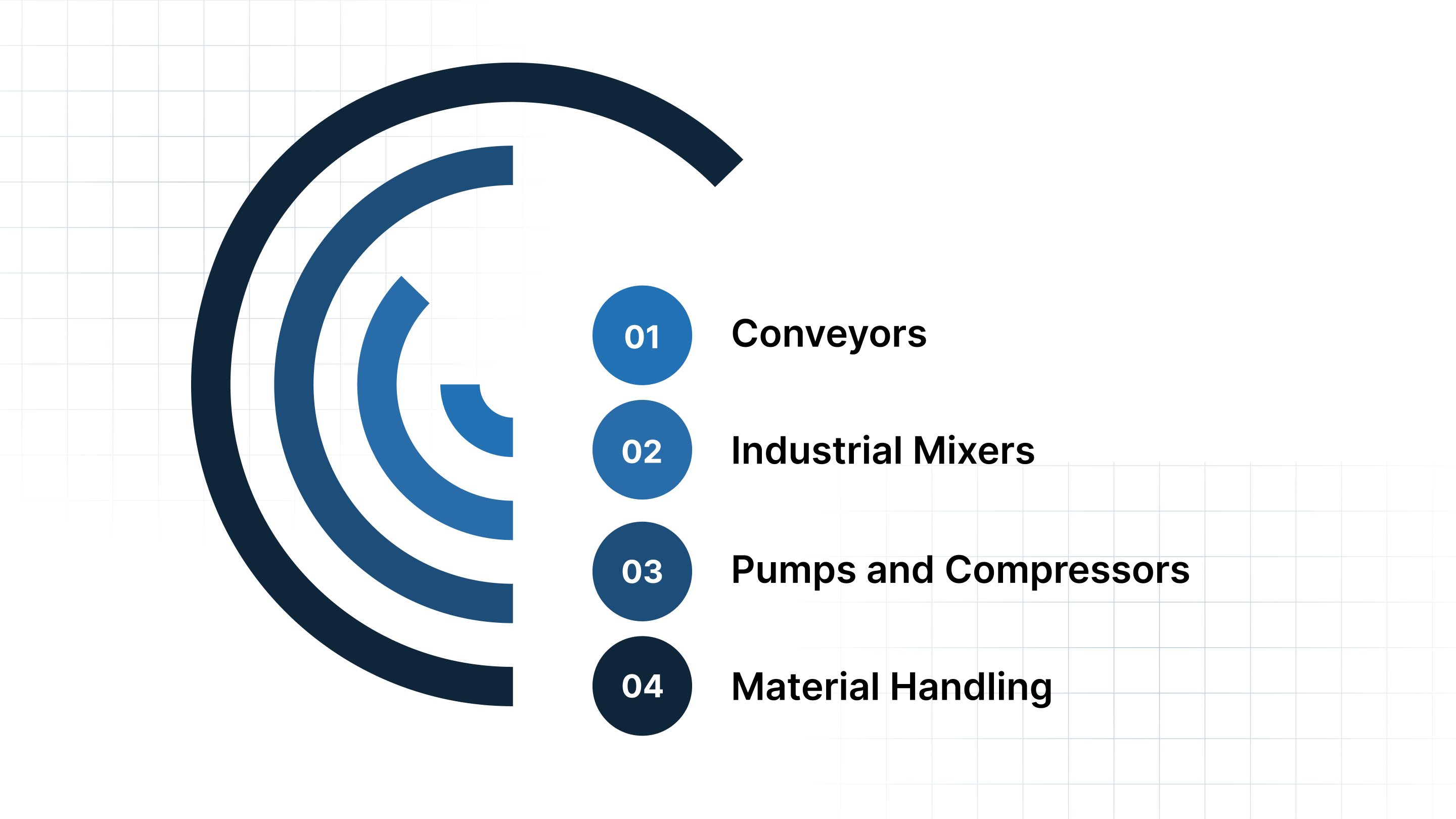
Here are some common uses of two-stage reduction gearboxes:
Conveyors: Ensures steady movement of materials without overloading the motor.
Industrial Mixers: Provides the necessary torque for consistent mixing at low speeds.
Pumps and Compressors: Delivers the consistent power needed for smooth, uninterrupted operations.
Material Handling: Optimizes movement and control in handling heavy or bulk materials.
With the application overview in mind, let’s explore how these gearboxes function to deliver optimal performance.
Also Read: Gear Reducer Use Cases & Applications
How Two-Stage Reduction Gearboxes Work
A two-stage reduction gearbox reduces the speed of a motor’s output while increasing the torque. It achieves this by using two sets of gears, which work sequentially to bring down the speed in two stages. This process allows machines to operate smoothly and efficiently, handling heavy loads and maintaining control at lower speeds.
Here are the key components that make up a two-stage reduction gearbox:
Input Shaft: Connects to the motor and receives rotational power.
First Reduction Stage: The first set of gears that begins the speed reduction.
Second Reduction Stage: Further reduces speed and increases torque output.
Output Shaft: Delivers the reduced speed and increased torque to the machinery.
Bearings: Support the gears and shafts, ensuring smooth rotation.
Lubrication System: Reduces friction between moving parts to prevent wear and tear.
Gear Housing: Encloses the internal components, providing protection and ensuring stability.
Let’s now look at how these components work together to drive the operational principle of a two-stage reduction gearbox.
How Two-Stage Reduction Gearboxes Deliver Torque
The two-stage reduction gearbox operates by first transferring power from the motor to the input shaft. The first set of gears reduces the speed of the incoming power, and the second set further reduces the speed while increasing torque.
The output shaft then transmits this adjusted power to the connected machinery. This efficient setup ensures that the system runs at the desired speed and delivers the necessary torque for heavy-duty tasks, such as conveyors or industrial mixers.
Having explored how these gearboxes function, it's time to highlight the direct benefits they offer in terms of performance and KPIs.
How Two-Stage Reduction Gearboxes Affect Key Business Metrics
Two-stage reduction gearboxes provide numerous operational advantages that significantly impact both machinery performance and overall business metrics. Understanding how they impact KPIs can help businesses achieve their operational goals and reduce inefficiencies.
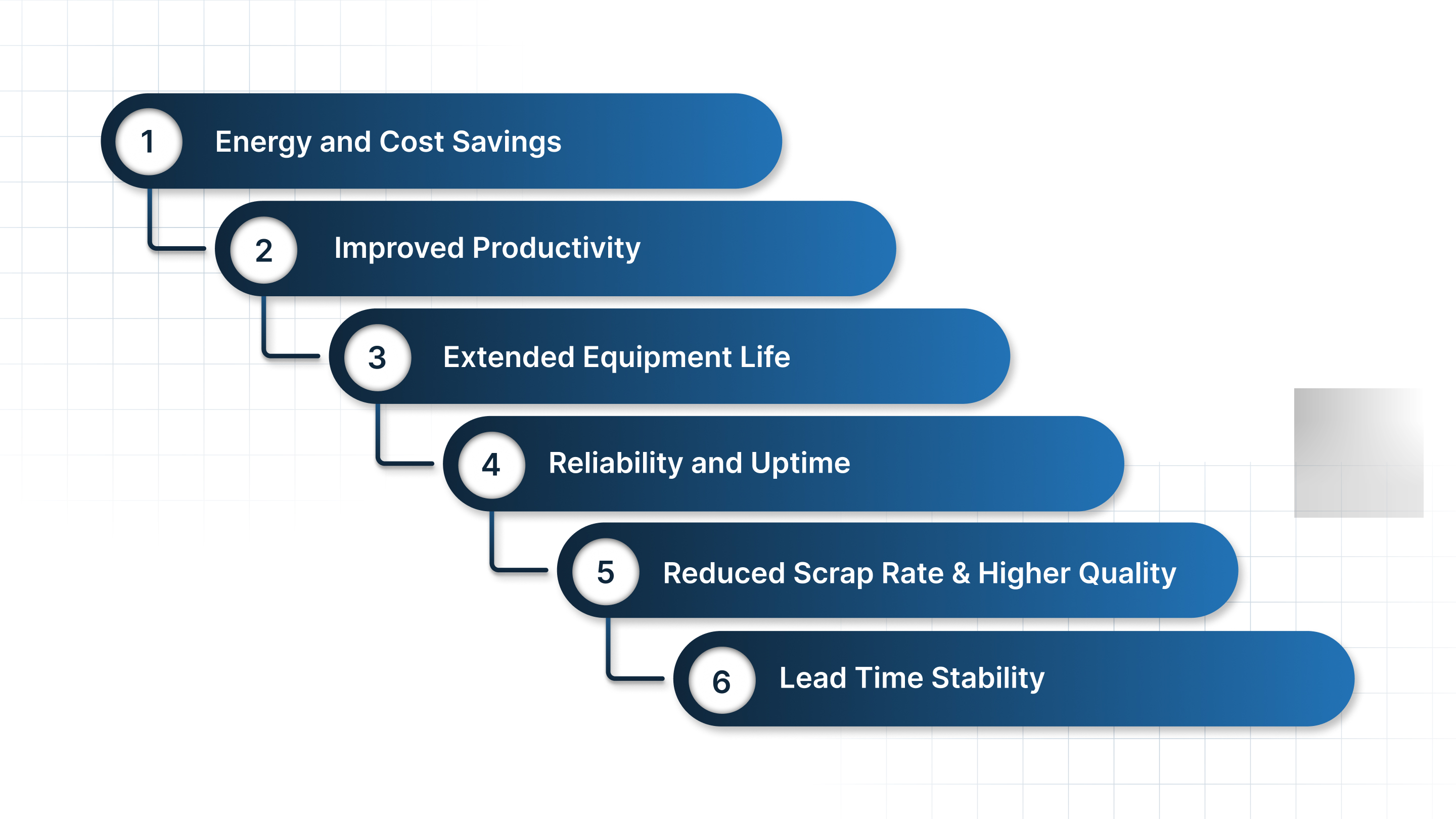
Here are the key benefits and KPIs most impacted by two-stage gearboxes:
Energy and Cost Savings: By optimizing motor load and reducing energy consumption, two-stage gearboxes lower operational costs and improve the cost per unit produced.
Improved Productivity: Stable torque and consistent operation enhance throughput, resulting in higher productivity and better yield per cycle.
Extended Equipment Life: These gearboxes reduce strain on components, leading to fewer repairs, lower maintenance costs, and a longer lifespan for equipment.
Reliability and Uptime: Reliable performance reduces mechanical failures, minimizing downtime and ensuring consistent equipment uptime, which helps meet production targets.
Reduced Scrap Rate and Higher Quality: Stable performance reduces defects, improving product quality and lowering scrap rates.
Lead Time Stability: Predictable gearbox operation ensures stable lead times, helping to meet delivery deadlines and improve supply chain efficiency.
With a clear understanding of the benefits, let’s now turn to how you can select the right two-stage gearbox for your needs.
Also Read: Why Choose Electra Gear Aluminum Gear Reducers?
How to Choose the Right Two-Stage Gearbox for Your Operation
Choosing the right two-stage reduction gearbox is crucial for ensuring optimal performance and minimizing operational costs. The right gearbox depends on various factors, including the specific application, required torque, and desired speed reduction.
Making the right decision will help you avoid unnecessary downtime, reduce maintenance costs, and increase operational efficiency. Here are key factors to consider when selecting the right two-stage gearbox:
Torque Requirements: Ensure the gearbox can handle the required torque for the specific machinery or equipment without overloading.
Speed Reduction Ratio: Choose the correct speed reduction ratio based on the machinery’s operational needs, ensuring optimal performance.
Gearbox Type: Consider the configuration (e.g., parallel shaft, right-angle) that best suits your space constraints and performance requirements.
Efficiency: Select a gearbox that offers the highest possible efficiency to reduce energy consumption and operational costs.
Load Handling Capacity: Ensure the gearbox can manage the load variability of your operation without compromising performance or reliability.
Vendor Support and Reliability: Choose a reliable supplier with excellent customer support, warranty, and easy access to replacement parts.
Maintenance Requirements: Select a gearbox that is easy to maintain, with clear service intervals and minimal need for repairs.
While selecting the right gearbox is crucial, it's also important to consider other options that may suit your needs better.
Ready to find the right gear motor or reducer for your operation? Contact Midwest Power Products to explore our wide range of gear reducers and motors from top manufacturers like Falk, Morse, Browning, WINSMITH, and HUB City.
Alternatives to Two-Stage Reduction Gearboxes
While two-stage reduction gearboxes are a popular choice, other gearbox types may better suit your specific operational needs. Choosing the right gearbox depends on the space, torque, and speed requirements of the machinery.
Each alternative offers distinct advantages for different applications, making it important to evaluate all options before making a decision. Here are some alternatives to two-stage reduction gearboxes:
Right Angle Worm Gear Reducers: These are ideal for space-constrained applications, offering a 90-degree output angle with high torque capacity in a compact design.
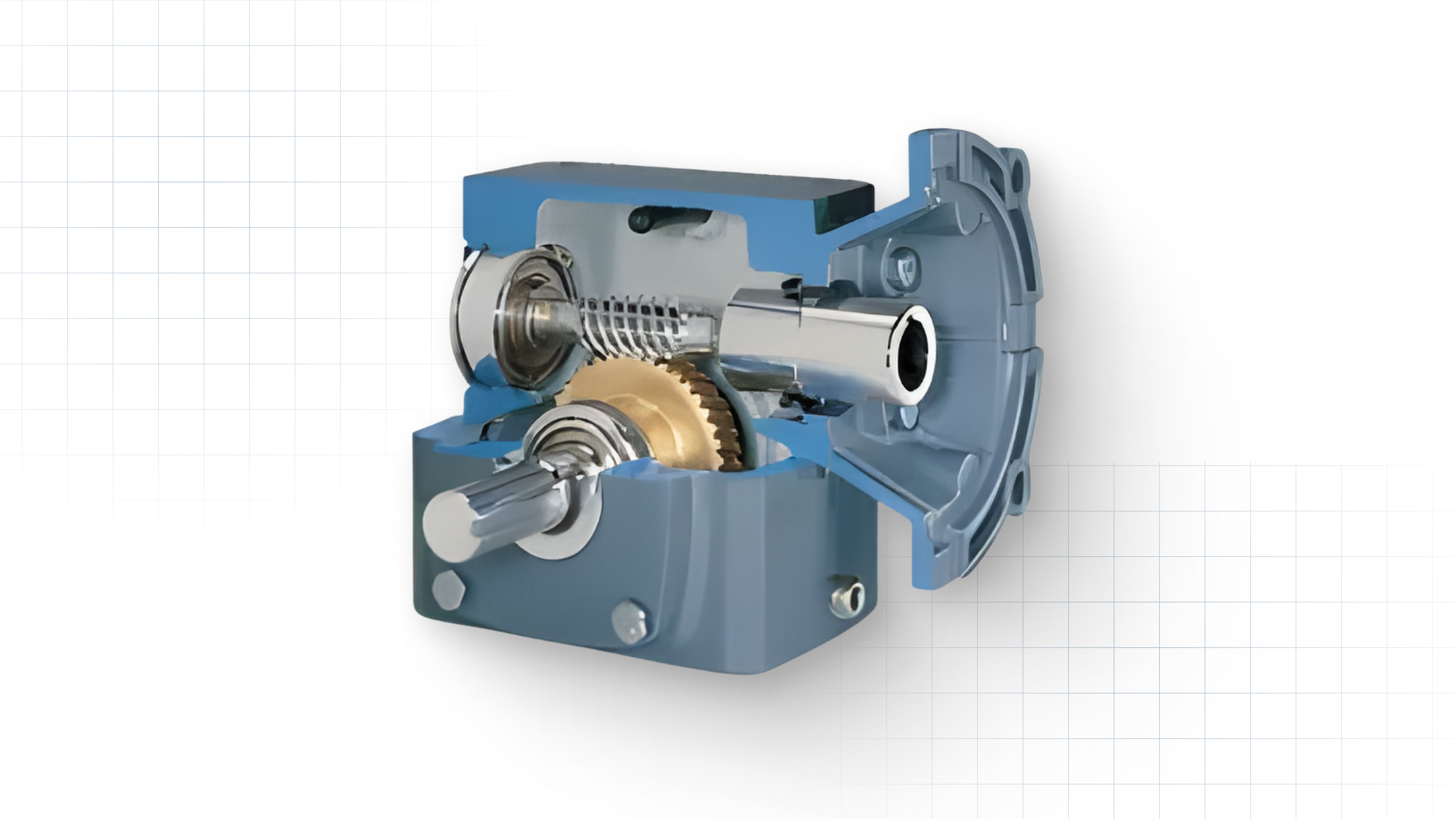
Inline C-Face Gear Reducers: These reducers directly connect to the motor flange, providing stable torque and speed reduction, and are commonly used in pumps and fans.
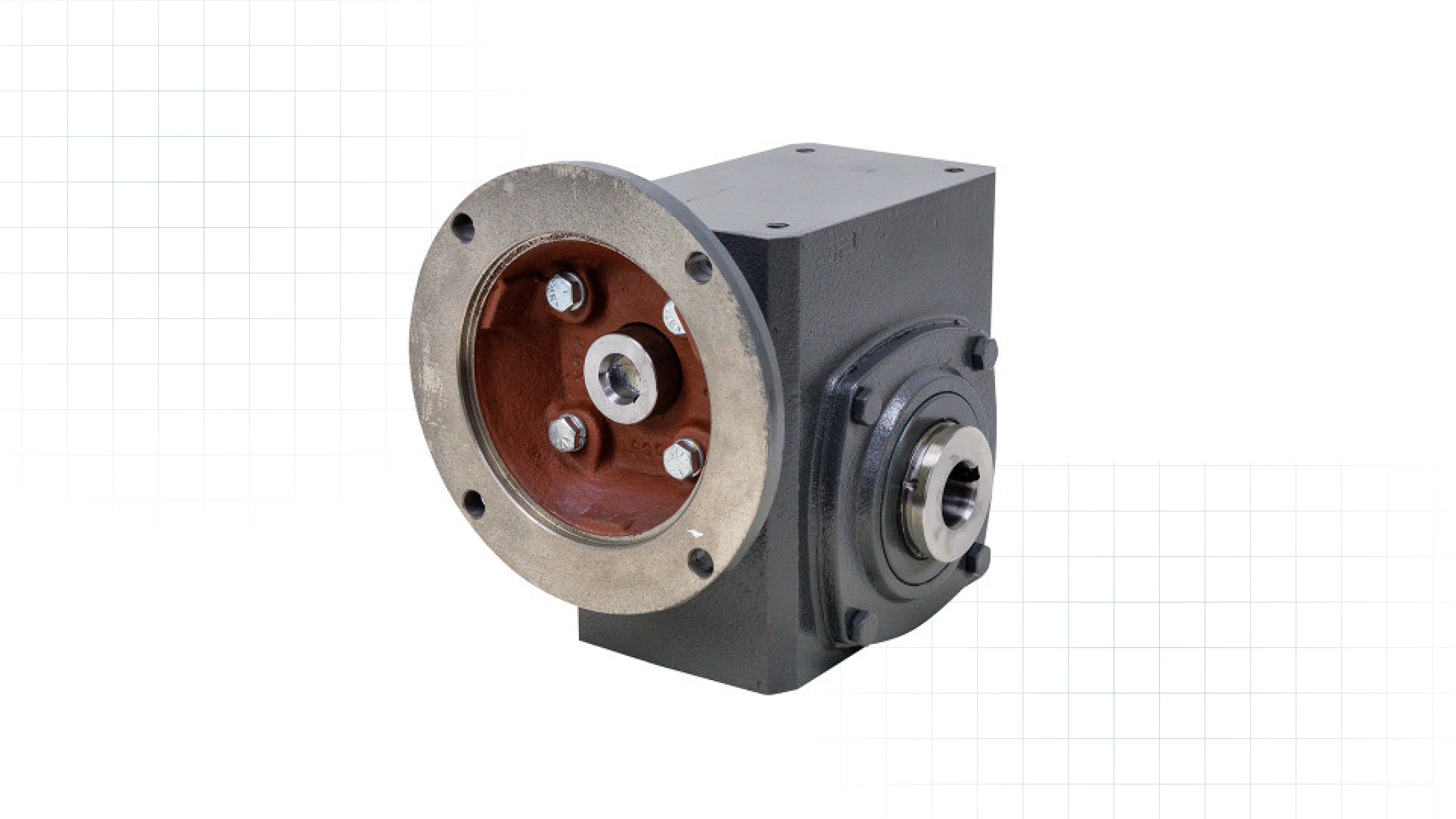
Parallel Shaft Reducers: A versatile and cost-effective solution for many applications, these gearboxes offer reliable performance for moderate torque and speed reduction needs.
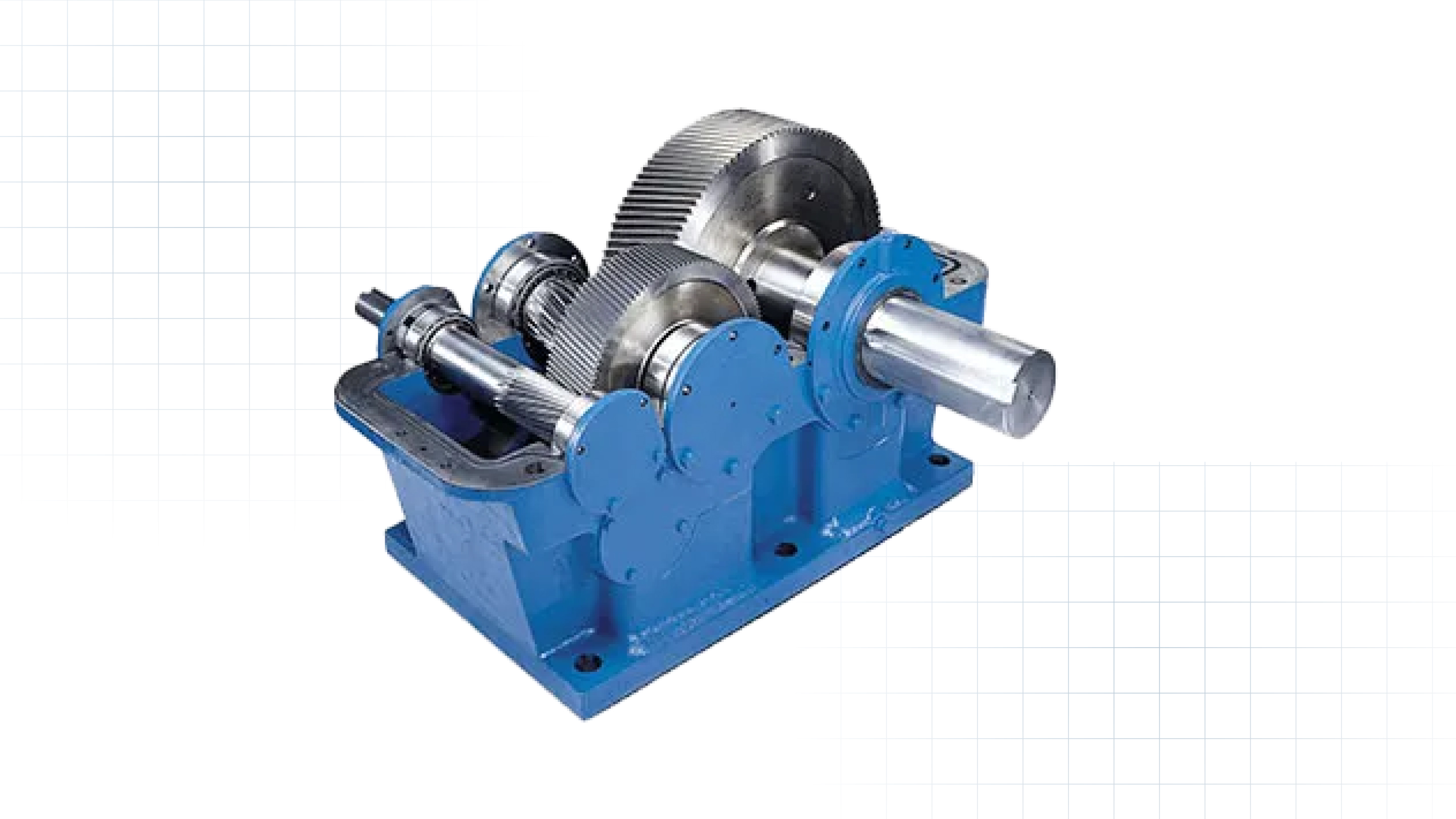
Shaft Mount Gear Reducers: Typically mounted directly to a shaft, these gear reducers are often used in conveyor systems and can be customized for different load conditions.
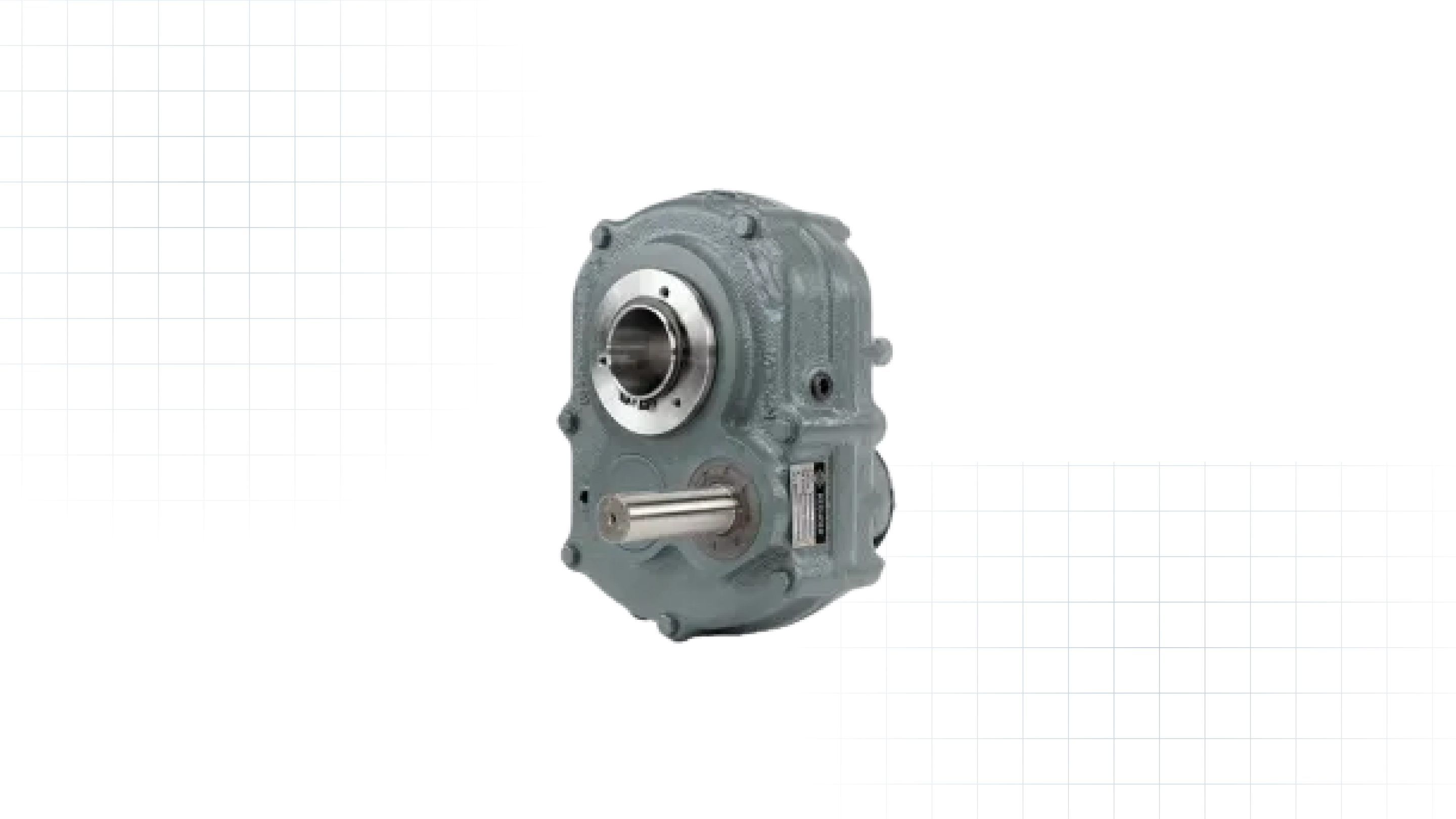
Variable Speed Gear Motors: These allow for precise control of motor speed, making them ideal for applications where speed adjustment is crucial, such as pumps or air handling systems.
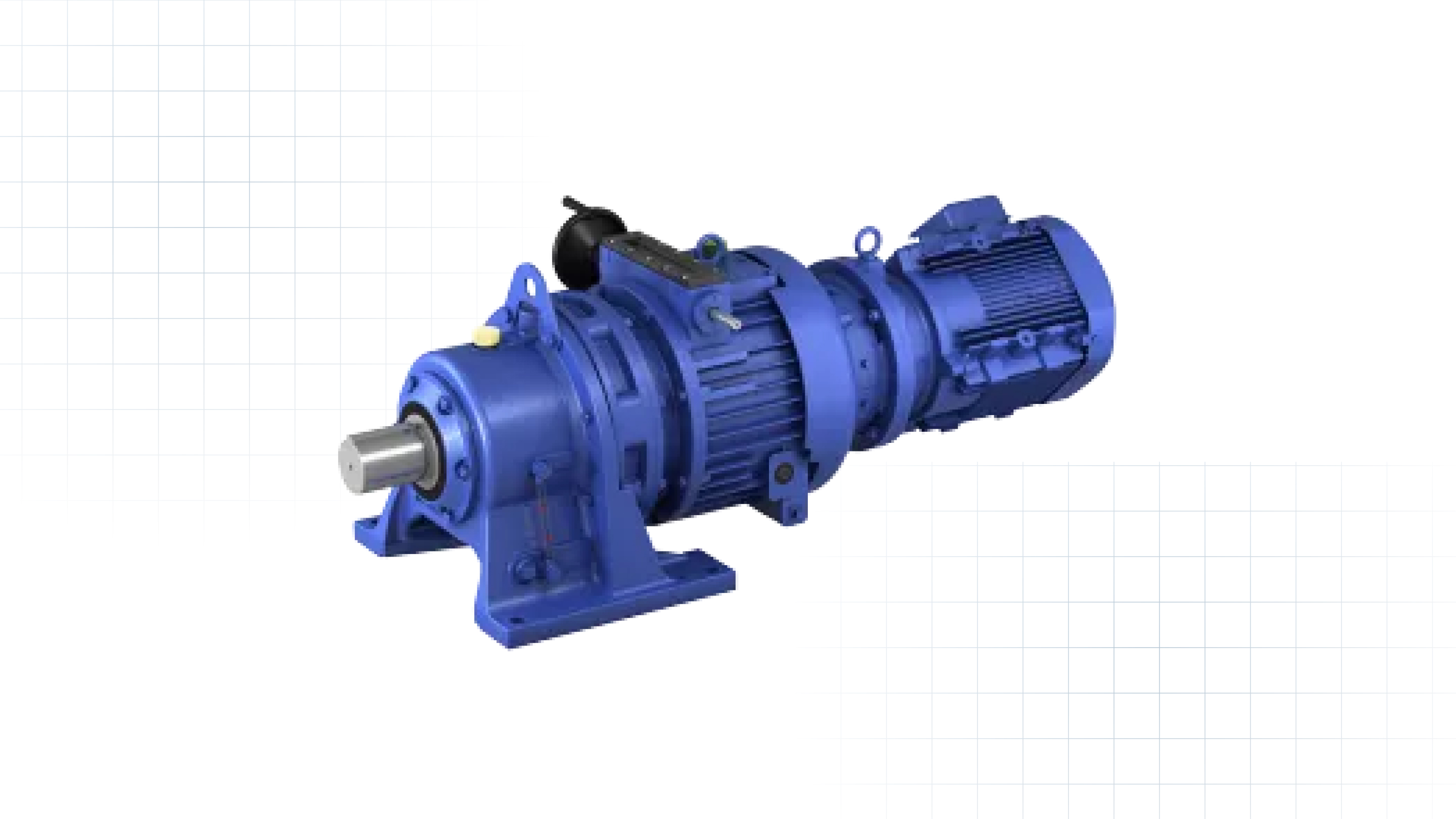
Worm Gear Reducers: Simple in design, these provide high torque output and are commonly used in space-limited environments for tasks like food processing or light-duty material handling.
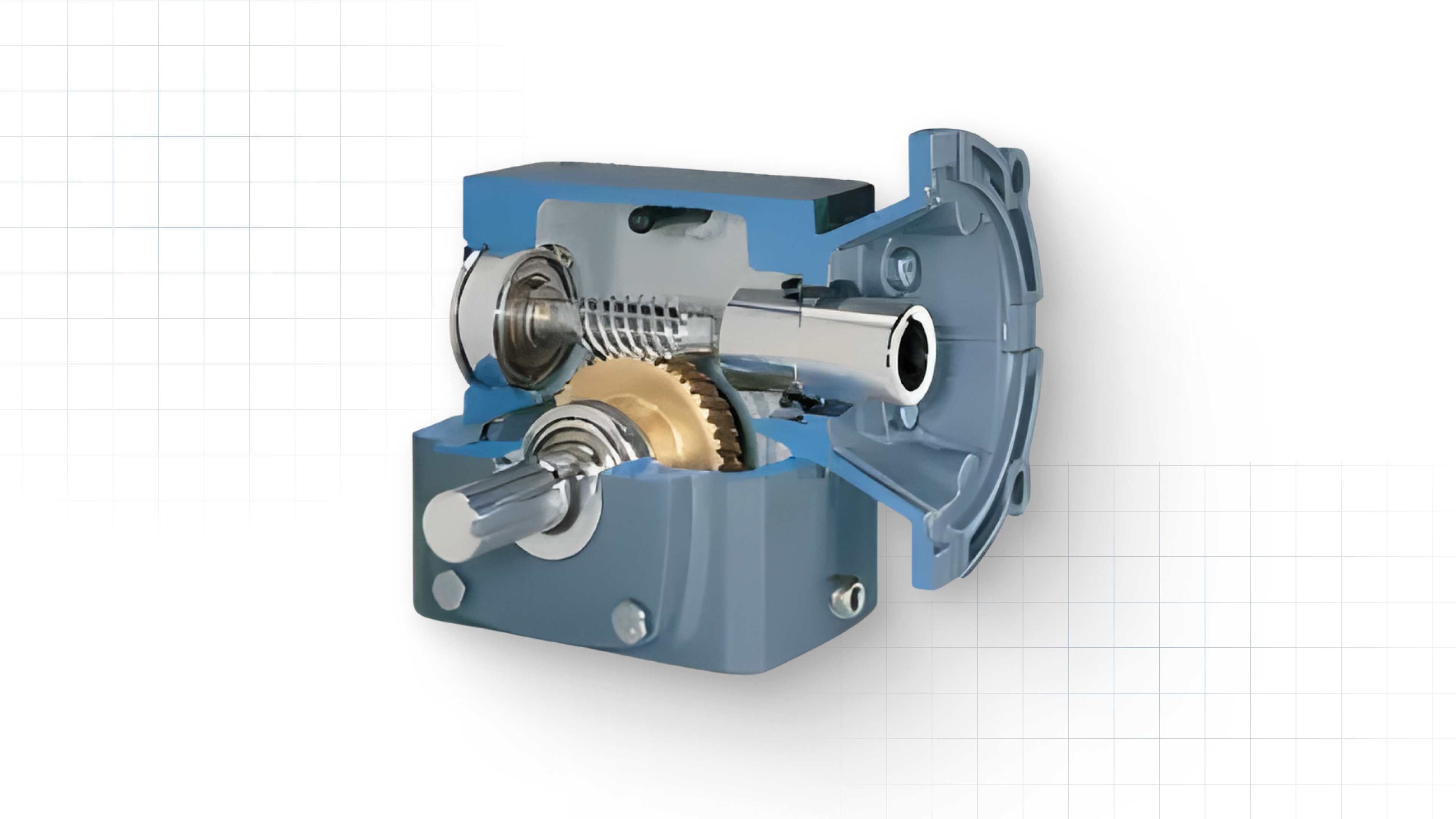
If you are considering alternatives, it’s equally important to understand how to choose the best reducer type for your needs.
How to Choose the Right Gear Reducer for Your Needs
Choosing the right reducer type for your application is essential for ensuring that machinery operates effectively and efficiently. The reducer type impacts the overall performance, cost, and reliability of your equipment.
By understanding the specific requirements of your application, you can make a more informed decision that balances performance, space constraints, and budget. Here are key factors to consider when selecting the right reducer type:
Application Requirements: Assess the torque, speed, and load characteristics of your application to determine the type of reducer that best suits your needs.
Space Constraints: Some reducers, like right-angle worm gear reducers, are ideal for applications where space is limited, while others may require more room.
Energy Efficiency: Choose reducers that minimize energy losses, particularly for applications running continuously or at high loads.
Cost Considerations: Evaluate the total cost of ownership, which includes not only initial costs but also long-term maintenance and energy savings.
Maintenance Needs: Consider the complexity of the reducer and how often it will need maintenance. Some types, like inline reducers, require less frequent service.
Durability and Load Handling: For heavy-duty applications, select reducers that can withstand higher loads and offer greater durability without failure.
By considering these factors, you can ensure that the selected reducer type fits your operational needs and provides long-term, reliable performance.
Conclusion
Choosing the right gearbox for your operation is crucial to maintaining reliable, cost-effective, and efficient machinery. Two-stage reduction gearboxes offer numerous advantages, including energy savings, increased uptime, and improved throughput.
However, it's important to consider factors like application requirements, space constraints, and load handling capabilities when making your decision. The right choice will ultimately lead to better performance and lower long-term costs.
If you're ready to select the right gearbox for your needs or have any questions, contact us today. Our experts are here to help you find the perfect solution, with a wide range of gear reducers, gear motors, and support services to meet your requirements.
FAQs
How do I know if a two-stage reduction gearbox is the best choice for my application?
To determine if a two-stage gearbox is suitable, evaluate your torque requirements, space constraints, and the type of machinery. Consider whether you need precise speed reduction and high torque, which are key advantages of two-stage gearboxes.
What factors influence the lifespan of a two-stage reduction gearbox?
The lifespan of a two-stage reduction gearbox is influenced by load conditions, maintenance practices, operating temperature, and lubrication quality. Regular maintenance, proper alignment, and correct load handling can significantly extend its lifespan.
Can two-stage reduction gearboxes handle variable loads?
Yes, two-stage reduction gearboxes are well-suited for applications where load conditions fluctuate. However, selecting the right gearbox with the appropriate load capacity is critical to ensure reliable performance over time.
Are there specific industries that benefit most from using two-stage reduction gearboxes?
Two-stage reduction gearboxes are commonly used in industries like manufacturing, material handling, food processing, and mining. They are particularly beneficial in operations requiring steady torque and low-speed control under heavy loads.
What are the common signs that my two-stage reduction gearbox needs maintenance or replacement?
Common signs include unusual vibrations, high operating temperatures, noise, and a decrease in performance. If the gearbox struggles to maintain consistent torque or shows signs of excessive wear, it's time to perform maintenance or consider a replacement.