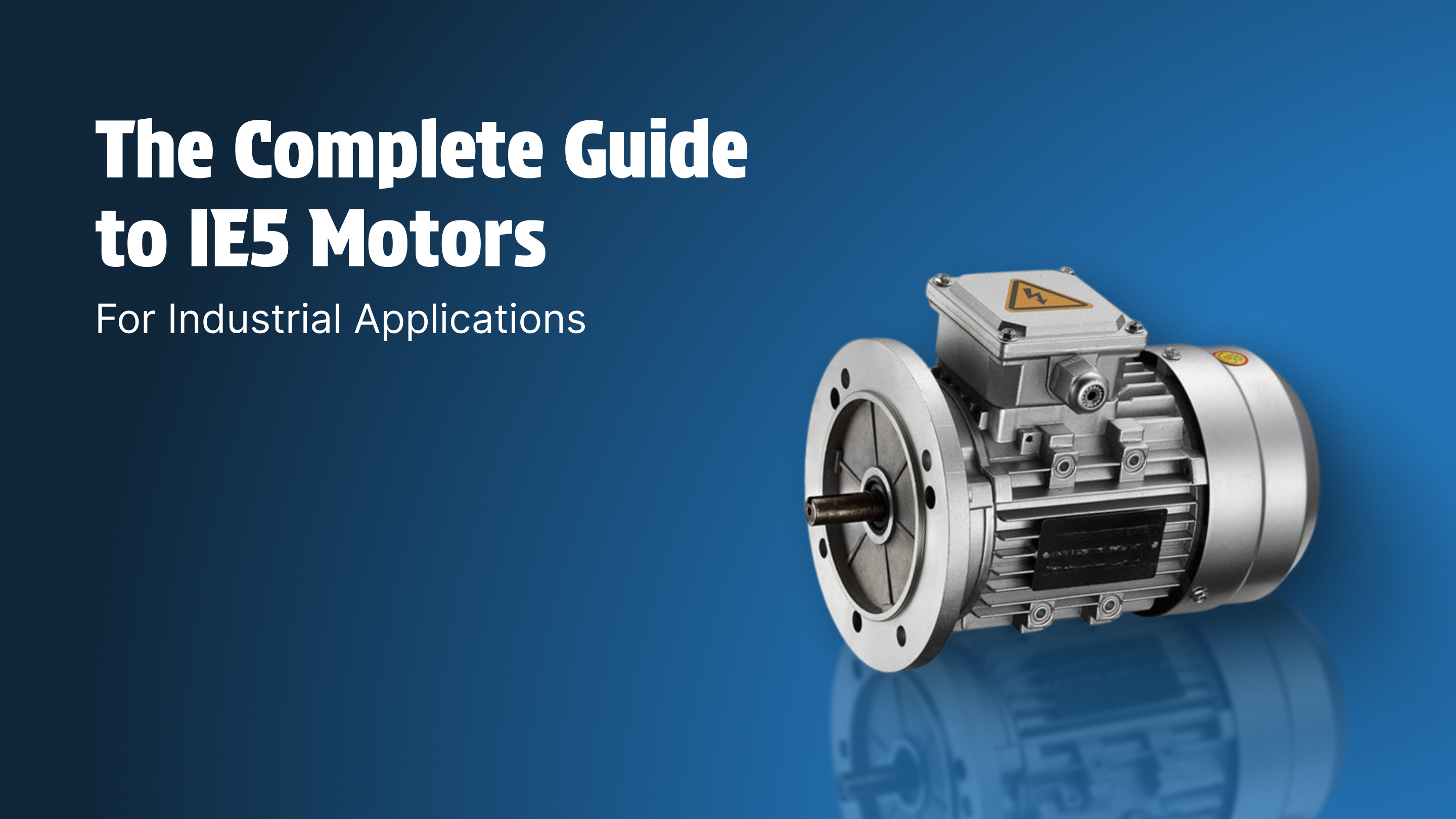
Industrial facilities are facing increasing pressure to cut energy use while maintaining reliable performance. IE5 motors have become a preferred choice for engineers and maintenance teams who need high efficiency and consistent output across demanding applications. These motors reduce energy losses, minimize heat, and help extend equipment life in systems such as conveyors, pumps, mixers, and fans.
For teams evaluating new builds or replacements, a clear understanding of how IE5 motors operate and where they provide measurable gains is essential. This guide explains the key features, application considerations, and selection factors that matter when choosing an IE5 motor for industrial use.
At A Glance
IE5 motors offer the highest available efficiency class, helping reduce electrical losses, heat, and long-term energy costs.
Upgrading from IE1–IE3 delivers the most noticeable gains, especially in systems running long hours, such as conveyors, pumps, and mixers.
Key design features such as advanced materials, refined geometry, and improved winding methods support stable torque and longer service life.
ROI comes from lower power use, reduced maintenance, and longer motor lifespan, often shortening the payback period for high-duty applications.
For proper selection and motor-gearbox matching, Midwest Power Products can guide you, ensuring the chosen IE5 setup fits your load, drive, and environmental needs.
How IE Efficiency Classes Impact Motor Performance and Energy Use
IE efficiency classes define the electrical losses a motor produces during operation. The scale runs from IE1 (standard efficiency) to IE5 (ultra-premium efficiency). Each step represents tighter loss limits and higher performance standards established by international regulations.
IE1: Basic efficiency level commonly found in older equipment.
IE2: Improved efficiency with lower losses than IE1.
IE3: Widely adopted in new installations due to regulatory requirements in many regions.
IE4: Premium class with further reductions in electrical and thermal losses.
IE5: Highest class currently available, offering the lowest loss levels and the greatest energy savings.
How IE5 Compares to IE1–IE4
IE5 motors produce significantly lower losses than previous classes, which helps reduce heat, maintain stable torque, and cut long-term operating costs. Plants upgrading from IE1–IE3 typically see noticeable gains, while moving from IE4 to IE5 provides improved efficiency for applications that run continuously or under variable load.
Next, let’s take a look at the specific advantages that make IE5 motors a practical choice for industrial applications.
Top Advantages of IE5 Motors for Industrial Applications
IE5 motors offer several practical benefits that matter to engineers, maintenance teams, and OEMs working with equipment that runs for long hours. The points below highlight the key gains users can expect in real industrial settings.
Lower Energy Losses: IE5 motors are designed to minimize electrical and thermal losses, which helps reduce power consumption in systems that run for long hours.
Stable Torque Across a Wide Speed Range: These motors maintain consistent torque even at low speeds, making them suitable for conveyors, mixers, pumps, and other load-sensitive equipment.
Reduced Heat Generation: Lower internal losses mean less heat buildup, which supports longer bearing life and fewer unplanned stoppages.
Better Performance With Variable Speed Drives (VFDs): IE5 motors pair well with VFDs, allowing precise speed control without performance drops or overheating.
Longer Service Life: Improved construction and reduced stress on components help extend motor lifespan, lowering replacement frequency and maintenance costs.
Smaller Footprint in Many Designs: Some IE5 models deliver the same output as earlier classes in a more compact frame, helpful for retrofit work or tight installations.
Need help determining if IE5 motors are right for your equipment? Contact Midwest Power Products for expert selection guidance.
Design Features That Make IE5 Motors Ultra-Efficient
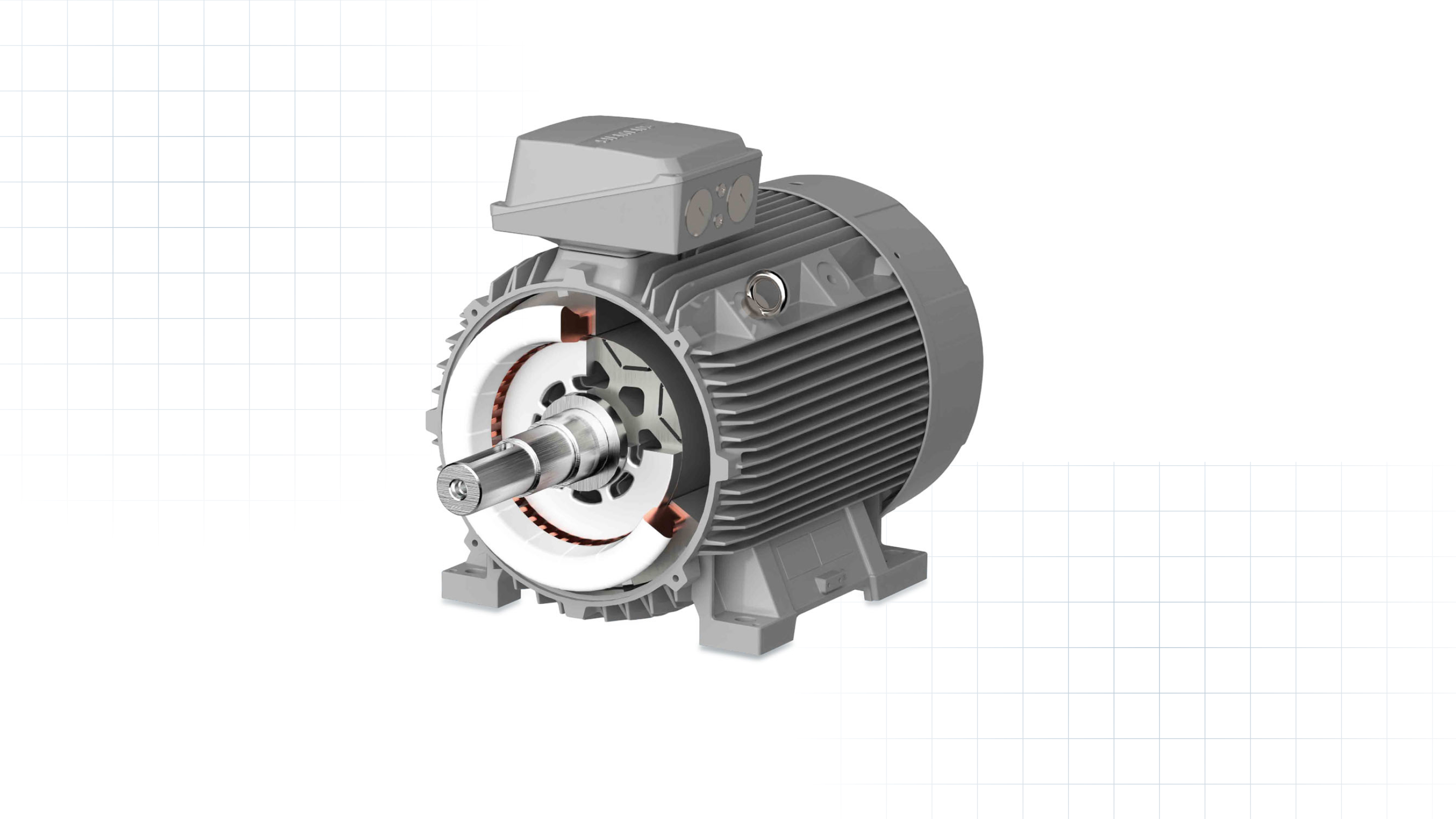
IE5 motors achieve their high efficiency through specific design choices that reduce electrical losses, improve magnetic performance, and maintain consistent output across various load conditions. These features work together to produce reliable results in continuous-duty environments.
Key design elements include:
Optimized Magnetic Materials: High-grade laminations and improved magnetic paths help reduce core losses and improve overall performance.
Precision Rotor and Stator Geometry: Refined shapes and tighter tolerances allow smoother operation with fewer energy losses during each rotation.
Low-Loss Bearings and Cooling Components: These parts help reduce friction and limit heat buildup, supporting longer run times without stress on internal components.
Advanced Winding Techniques: Improved coil placement and reduced winding resistance help maintain consistent output and limit electrical losses.
Better Integration With VFDs: Many IE5 motors are engineered to handle wide speed ranges without excess heat, which supports accurate speed control in demanding applications.
Together, these features allow IE5 motors to deliver strong performance with lower energy waste, making them a reliable upgrade for plants looking to improve long-term motor efficiency. But how will you determine which applications and operating conditions benefit most from their efficiency and reliability?
When to Choose IE5 Motors: Best Use Cases and Applications
IE5 motors are a strong fit for plants that need consistent performance, long run times, and lower energy losses. They work well in systems where even small efficiency gains add up over months or years of continuous use.
Common use cases include:
Conveyors and Material Handling Lines: Suitable for constant or variable load conditions where steady torque and low heat are important.
Pumps and Fans: Helps reduce power draw in water treatment, HVAC, chemical processing, and other flow-driven systems.
Mixers, Agitators, and Blenders: Perform well in applications that demand smooth operation at low or mid-range speeds.
OEM Equipment: A practical option when designing machinery that must meet current efficiency standards or achieve lower lifetime energy costs.
Applications Using VFDs: Works reliably across a wide speed range, making it suitable for adjustable-speed equipment.
Plants running equipment for long shifts or continuous duty often see the most value from IE5 motors, especially when older IE1–IE3 units are nearing replacement. Once the right applications are identified, the next step is evaluating how IE5 motors impact overall operating costs and deliver measurable savings.
How IE5 Motors Lower Energy and Maintenance Costs
The return on investment for an IE5 motor comes from measurable reductions in energy use, fewer maintenance needs, and longer service life. Plants running equipment for extended hours often recover the upfront cost faster because small efficiency gains accumulate quickly.
Key cost factors to evaluate:
Energy Consumption: IE5 motors draw less power due to lower electrical losses. For equipment running multiple shifts, the monthly savings can be significant.
Maintenance and Downtime: Reduced heat and friction help extend bearing and winding life. This lowers the frequency of repairs and minimizes unplanned stoppages.
Lifecycle Duration: Longer service life spreads the initial investment over more operating years, improving overall cost-effectiveness.
Compatibility With Existing Drives: When paired with VFDs already in use at the facility, IE5 motors often require minimal adjustments, which keeps integration costs low.
Simple ROI approach:
Compare the yearly energy cost of your current motor with the projected yearly energy cost of an IE5 motor. Add expected savings from reduced maintenance and extended lifespan. The difference typically shows a clear payback period, especially for applications running continuously or under steady load.
While IE5 motors offer significant energy and maintenance savings, it’s important to review potential limitations and factors to consider before making the switch.
Limitations and Considerations Before Switching to IE5
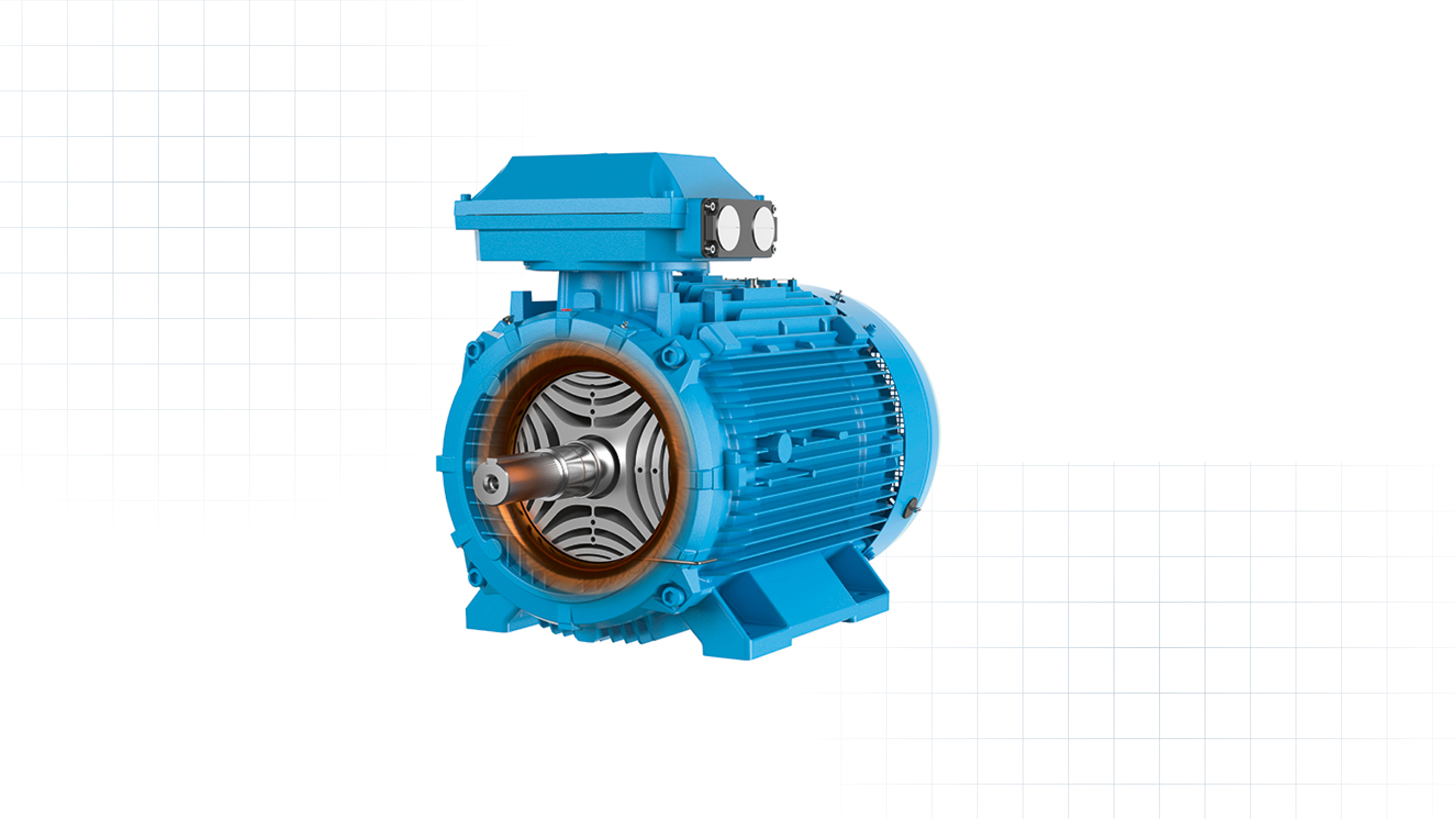
IE5 motors offer strong efficiency gains, but certain factors should be reviewed before moving forward. A careful assessment helps prevent compatibility issues and ensures the motor performs as expected in your system.
Points to consider:
Higher Initial Cost: IE5 motors are priced above IE3 and IE4 units. Facilities should compare long-term savings against the upfront investment.
VFD Requirements: Many IE5 motors are designed to run with a VFD. Plants using older drives may need upgrades or parameter adjustments.
Space and Mounting Constraints: Some IE5 models differ in frame size or mounting arrangements compared to older motors, which may require small layout changes.
Load Characteristics: Applications with extreme shock loads, high starting torque, or irregular duty cycles may need a motor tailored to those conditions.
Environmental Factors: Temperature, moisture, dust, or chemical exposure can affect performance. Confirm the motor’s enclosure rating and insulation class match the site conditions.
Reviewing these points helps determine if an IE5 motor will meet system requirements and deliver the expected long-term benefits. Now, the next step is understanding how pairing IE5 motors with the right gearboxes can maximize efficiency and overall system performance.
How IE5 Motors Work With Gearboxes for Maximum Efficiency
IE5 motors pair well with a wide range of industrial gearboxes, especially in systems that depend on steady torque, controlled speed, and long run hours. When matched correctly, the motor and gearbox work together to reduce energy losses and maintain consistent output.
A few factors shape overall performance:
Optimized Speed and Torque Matching: IE5 motors provide stable torque across broad speed ranges. When the gearbox ratio is selected correctly, the combination delivers smooth power transmission with less strain on the drive components.
Lower Heat Transfer to the Gearbox: Reduced motor losses help limit heat flow into the gearbox, supporting longer lubricant life and steady gear engagement.
Stronger Performance With VFD-Controlled Systems: Many facilities run IE5 motors with VFDs. This allows precise control of input speed to the gearbox, which helps maintain reliable output speed even under fluctuating load conditions.
Extended Service Life for the Complete Drive Package: Balanced torque delivery and reduced thermal stress help protect gears, seals, and bearings, extending the lifespan of both the motor and the gearbox.
Looking to optimize your motor-gearbox setup for peak efficiency? Midwest Power Products can help you find the right combination for your facility.
Conclusion
IE5 motors provide measurable gains for facilities aiming to cut energy use, stabilize torque, and reduce long-term equipment stress. The key is evaluating your current load conditions, hours of use, drive requirements, and gearbox setup to confirm that an IE5 upgrade will deliver a clear return. Plants replacing older IE1–IE3 units or planning new equipment builds often see the most value, especially in conveyor, pumping, and mixing systems that run for long hours.
If you need help selecting the right motor-gearbox combination or want guidance on upgrading existing equipment, Midwest Power Products can support you with application reviews, selection assistance, and a wide range of compatible gear drives.
Contact our team today to discuss the best IE5-ready solutions for your facility.
FAQ’s
1. What does “IE5” mean in motor efficiency?
IE5 refers to the highest recognized efficiency class for electric motors. It indicates very low electrical losses and improved performance compared to earlier classes like IE1, IE2, IE3, and IE4.
2. Are IE5 motors worth the higher upfront cost?
For equipment running long hours or operating under steady loads, the energy savings and longer service life often offset the initial price. A simple payback review using annual energy use can confirm the return.
3. Can IE5 motors replace older motors without major changes?
In many cases, yes. However, frame size, mounting style, and VFD compatibility should be checked before ordering. Some upgrades may be needed if the existing drive is outdated.
4. Do IE5 motors require a VFD?
Many IE5 designs are intended for use with a VFD. Running them without proper drive control can reduce performance or lead to overheating. Always verify compatibility with your current drive.
5. What applications benefit the most from IE5 motors?
Conveyors, pumps, fans, mixers, and OEM machinery with long duty cycles tend to gain the most from lower losses and stable torque.