Many plants rely on direction-sensitive equipment, but the drive setup is often more complicated than it needs to be. When a line depends on controlled forward and reverse motion, teams end up dealing with extra wiring, unplanned stoppages, and alignment issues that cost time and stability.
Procurement and operations leaders also deal with unclear specs, limited supplier guidance, and uncertainty about whether a gearbox can support the duty cycle without raising downtime risk. Engineers face the added tension of fitting equipment into tight layouts while keeping maintenance demands predictable.
In this blog, we’ll explore what a reverse rotation gearbox is, how it works, where it's best suited, the trade-offs to consider, and the selection factors that matter for procurement, plant, and engineering teams.
TL;DR
A reverse rotation gearbox changes the direction of motion between input and output shafts without needing electrical reversing systems.
It helps reduce wiring complexity and maintenance checks by using mechanical direction control.
Ideal for space-constrained areas, reverse rotation gearboxes support stable startups, shutdowns, and short directional changes.
Factors to consider when selecting include mechanical complexity, lubrication needs, and wear rates from frequent directional changes.
Common uses include conveyors, packaging lines, material handling, and hoists, where controlled forward-reverse motion is needed.
What Is a Reverse Rotation Gearbox?
A reverse rotation gearbox is a mechanical stage that uses an intermediate gear to reverse the input shaft’s motion, ensuring the output shaft rotates in the opposite direction. It sits between the motor and driven equipment, giving plants a simple method to manage direction without adding separate electrical reversal systems.
How Reverse Rotation Gearboxes Work?
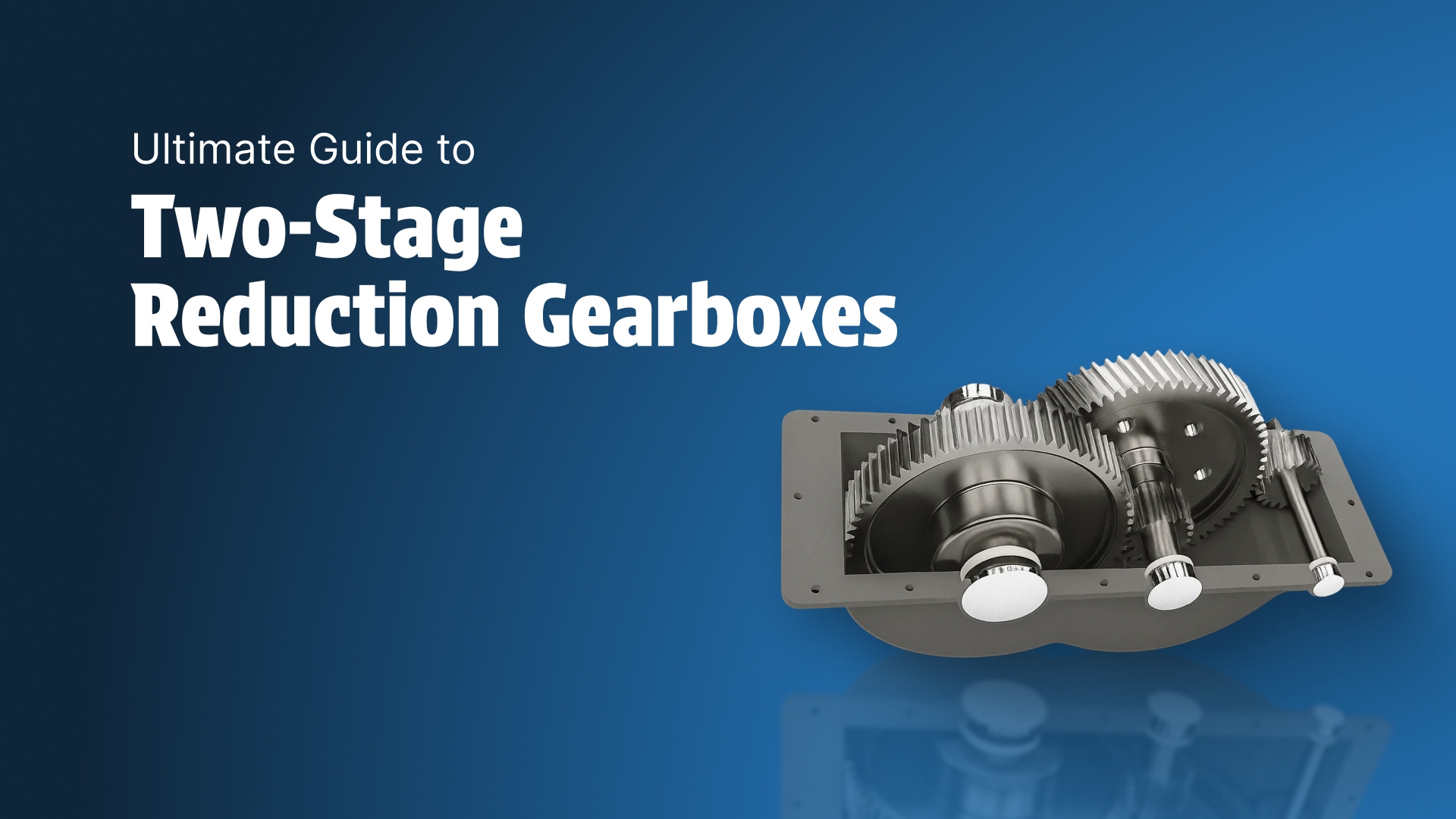
A reverse rotation gearbox changes direction by using an intermediate gear that transfers motion between the input and output shafts. When the input gear drives the intermediate gear, the resulting motion forces the output gear to rotate in the opposite direction.
Now that you understand how reverse rotation gearboxes operate, let’s explore the key benefits they offer in various settings.
Key Operational Benefits of Reverse Rotation Gearboxes
A reverse rotation gearbox supports predictable behavior during motion changes, which helps teams manage flow without relying on extra electrical components that may raise downtime risk.
Here are the advantages that matter during planning, daily operations, and maintenance tasks:
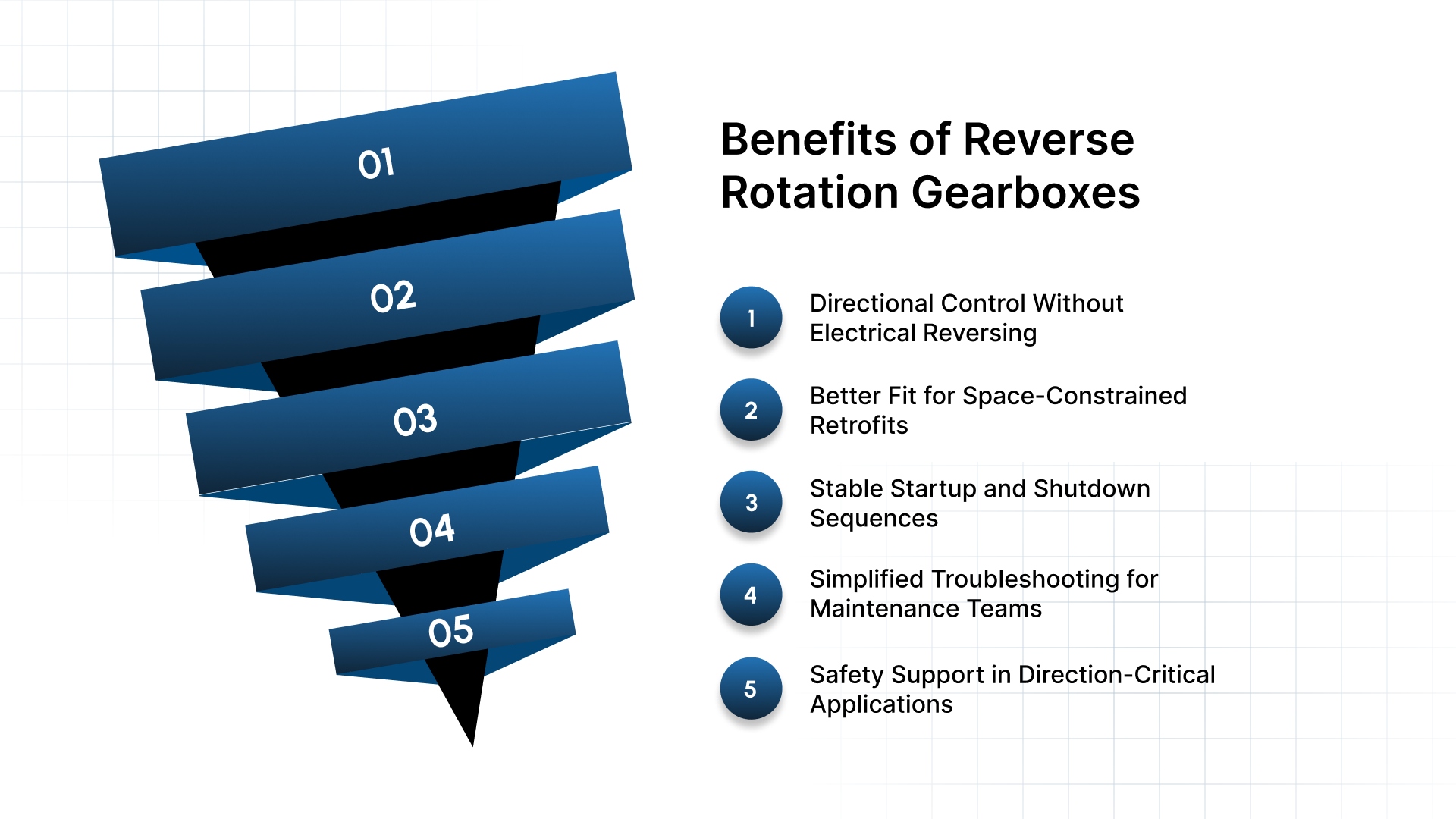
Directional Control Without Electrical Reversing: This approach helps reduce wiring complexity and lowers the number of components that maintenance teams must inspect during routine checks.
Better Fit for Space-Constrained Retrofits: Plants with limited modification room can use this setup to manage direction without large changes that affect surrounding equipment or guards.
Stable Startup and Shutdown Sequences: Mechanical reversal provides predictable motion behavior, though teams should account for gear backlash that may cause minor product shifts during short forward‑reverse adjustments.
Simplified Troubleshooting for Maintenance Teams: A clear mechanical path helps technicians identify motion issues faster, especially when dealing with inconsistent rotation or irregular contact between connected shafts.
Safety Support in Direction-Critical Applications: Controlled motion helps operators manage feeding, winding, or lifting tasks, though teams should plan for minor backlash effects that may cause small shifts during direction changes.
Although reverse rotation gearboxes offer clear advantages, they come with certain considerations that need to be evaluated carefully.
Challenges to Consider When Using Reverse Rotation Gearboxes
While a reverse rotation gearbox offers clear directional control, it still brings mechanical conditions that teams must assess carefully before choosing it for production use. These conditions can influence maintenance planning, inspection frequency, and long-term reliability, especially in equipment running long shifts with frequent directional changes.
Here are the factors that deserve close attention during evaluation:
Mechanical Complexity: Extra gears introduce more contact points, which can increase wear rates when equipment runs long hours or handles inconsistent loading patterns.
Noise and Wear Potential: Tooth meshing frequency and lubrication quality can generate vibration or wear patterns, requiring scheduled inspections to prevent stoppages or premature component replacement.
Lubrication Demands: Gear sets need consistent lubrication paths, and interruptions may raise friction levels that shorten service life or reduce motion smoothness.
Direction-Sensitive Stress: Applications with frequent forward-reverse cycles can place added stress on gears, which may prompt teams to plan shorter inspection intervals.
Space and Mounting Constraints: Some models require specific mounting space, which can limit options during retrofits where equipment spacing is already tight or fixed.
Once you understand the limitations, it’s time to explore the key applications that make reverse rotation gearboxes a preferred choice.
4 Common Industrial Applications for Reverse Rotation Gearboxes
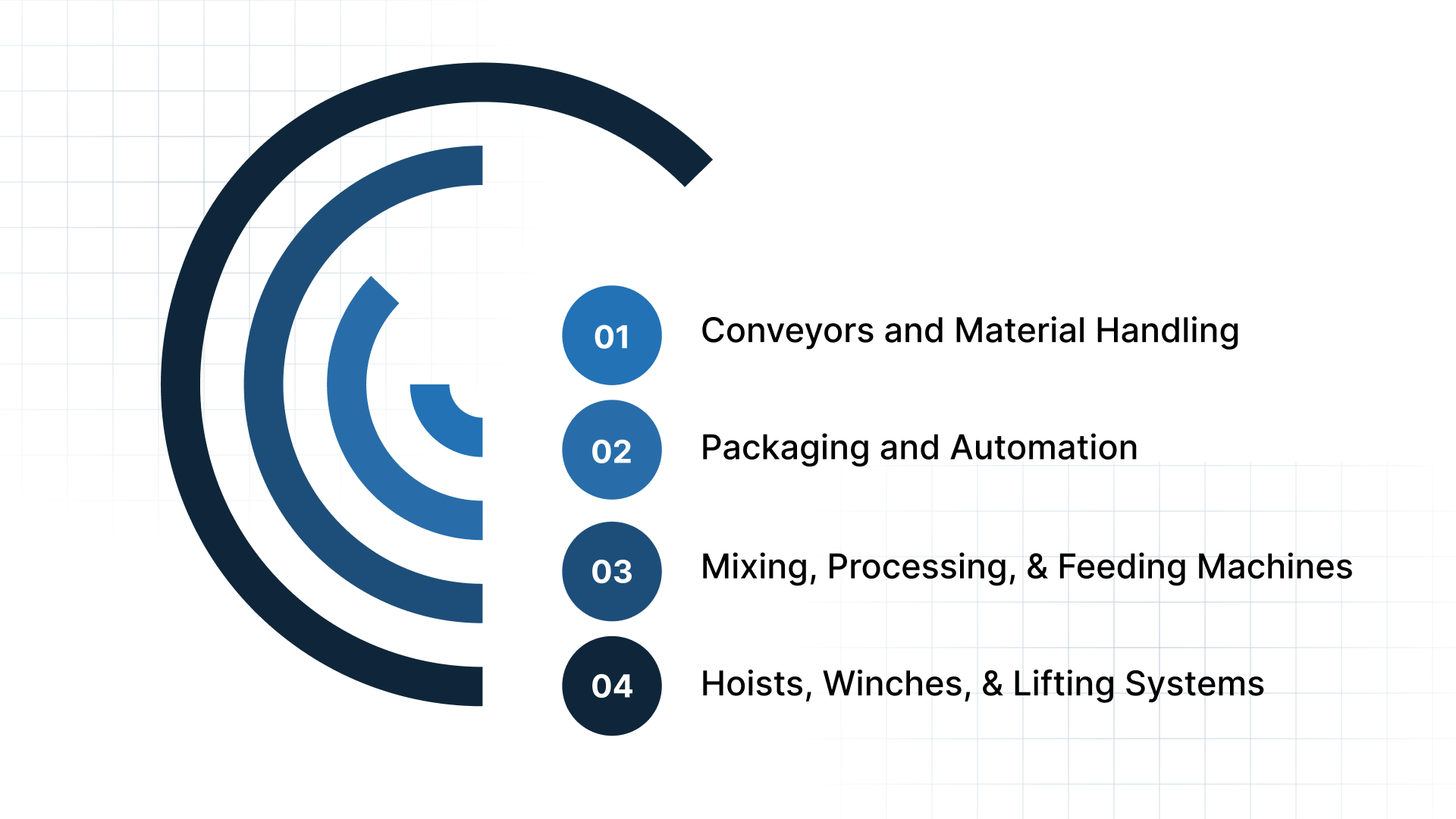
Reverse rotation gearboxes support equipment that depends on controlled forward-reverse motion for handling, processing, or positioning tasks. They help teams manage direction changes without adding extra motors or electrical reversing components.
Here are the applications where this design is commonly used:
Conveyors and Material Handling: Many conveyors need reliable forward-reverse movement for clearing jams, adjusting flow, or repositioning products during handling tasks.
Packaging and Automation: Automated lines require controlled directional changes to manage feeding, indexing, or repositioning tasks during packing or sorting work.
Mixing, Processing, and Feeding Machines: Systems handling bulk materials often need reverse motion to reset feed direction or prevent jamming during demanding cycles.
Hoists, Winches, and Lifting Systems: Equipment that raises or lowers loads benefits from controlled direction changes delivered through a stable mechanical setup.
With a better understanding of where these gearboxes are most useful, we’ll now look at how they stack up against alternative systems.
Reverse Rotation Gearbox vs Electrical and Mechanical Alternatives
Plants often compare different direction-control approaches when planning equipment for forward-reverse duty across production lines or continuous processing areas. Each option carries its own service requirements and mechanical behavior, so a clear comparison helps teams avoid issues during installation or long-term operation.
Here are the alternatives most frequently considered by engineering and maintenance teams:
Electrical and Mechanical Alternatives
Some direction-control methods rely on electrical or belt-based components placed outside the gearbox, shifting maintenance tasks toward wiring, drives, and tension adjustments.
These methods can support direction changes, though they may introduce inspection needs that differ from those of a mechanical gearbox.
Here are the main alternatives and their characteristics:
Motor Reversing Through Electrical Control: Motor reversal provides direction shifts through control panels, though added relays, drives, and wiring increase inspection time and raise the number of service points.
Belt or Pulley Reversal: Belt-driven reversal supports directional changes, though belt stretch, wear, and tension variation may require steady monitoring to prevent flow interruptions.
Dual-Motor Arrangements: Two-motor systems offer separate rotational paths, though extra hardware and wiring increase service tasks and expand the number of components needing routine checks.
With a clearer picture of how reverse rotation gearboxes compare, it’s important to understand how different gearbox types handle reverse motion.
How Different Gearbox Types Handle Reverse Motion
Gearbox families vary in their behavior during reverse duty because tooth shape, bearing capacity, and gear interactions influence heat generation and stress patterns. Understanding these characteristics helps engineering teams choose equipment that stays stable during repeated forward-reverse cycles.
Here is how common gearbox types respond to reverse motion:
Worm Gearboxes: Many worm units resist backdriving due to self‑locking geometry, limiting reverse duty. Even with non‑locking profiles, sliding friction reduces efficiency and raises heat under bidirectional loads.
Helical Gearboxes: Helical gear sets often handle frequent reversals well because their angled teeth maintain controlled contact during direction changes across different load conditions.
Planetary Gearboxes: Planetary gearboxes can support reverse duty, but repeated high‑torque cycling may increase heat buildup and uneven load distribution across sun, planet, and ring gears.
Inline and Parallel Shaft Gearboxes: These gearboxes generally support reverse duty when gears are sized correctly, and bearings are rated for loads in both rotational directions.
Right-Angle Gearboxes: Many right-angle designs provide reverse capability depending on bevel gear configuration and the load rating assigned to the intended application.
Shaft-Mount Reducers: Shaft-mount reducers can support reverse movement, though torque arm placement and lubrication flow must be reviewed for stable bidirectional behavior.
Having explored the technical differences, you can now apply these insights to make a more informed decision when choosing a reverse rotation gearbox.
The Ultimate Reverse Rotation Gearbox Selection Checklist
Engineering teams need a clear way to assess whether a reverse rotation gearbox fits their duty needs, layout constraints, and long-term maintenance expectations. A refined checklist helps prevent missed details during evaluation and supports faster comparison across multiple gearbox types or supplier options.
Here is a clear table that supports quick selection during planning or technical reviews:
Evaluation Category | What Teams Must Confirm |
Reverse-Duty Rating | Confirm the gearbox is manufacturer‑rated for continuous bidirectional duty under the specified load, speed, and duty cycle. |
Load and Shock Behavior | Check that gears and bearings can manage both directions without raising wear or heat during repeated shifts. |
Shaft and Mount Compatibility | Verify that input and output shaft positions match equipment design without forcing modifications to the surrounding structure. |
Gear Type Suitability | Review whether the gear family supports reverse duty, especially when considering worm, helical, planetary, or bevel options. |
Lubrication and Cooling Needs | Ensure lubrication flow and cooling capacity remain stable during direction changes and extended runtime. |
Service and Inspection Requirements | Confirm that maintenance intervals, inspection points, and wear indicators fit the plant’s existing service routine. |
Environmental Tolerance | Check that the gearbox can handle temperature swings, dust, moisture, or vibration present around the equipment. |
Supplier Data Quality | Verify that drawings, rotation ratings, and duty guidelines match the intended use without missing technical details. |
Spare-Part Availability | Confirm long-term access to gears, seals, bearings, and lubrication components required for consistent uptime. |
Test Results and Field Checks | Run controlled tests under expected loads to validate directional behavior before finalizing any purchase decision. |
If your team is evaluating gearboxes or planning service, Midwest Power Products is here to help. With expert guidance and same-day service, we provide OEM-compatible gearboxes and fast technical support. Contact us today to keep your operations running smoothly.
Conclusion
A reverse rotation gearbox can support predictable motion where direction affects flow, safety, or equipment stability, giving teams a clear mechanical approach for forward-reverse duty. With focused selection checks, plants can reduce avoidable stoppages while confirming their equipment can handle changing motion demands.
If your team needs help choosing, repairing, or replacing a gearbox, our team at Midwest Power Products can support you with fast service and dependable workmanship. We offer emergency repairs, same-day service, and a large inventory of gear reducers, motors, and components to keep your equipment running without extended downtime.
When production cannot stop, we help you keep it moving. Contact us, tell us what failed, and we will get your gearbox running again with the speed your operation needs.
FAQs
Can a reverse rotation gearbox be used in applications that require frequent direction changes?
Yes, reverse rotation gearboxes are suitable for applications with regular direction shifts. However, frequent reversals can lead to wear and may require more frequent maintenance.
What maintenance practices are necessary for reverse rotation gearboxes?
Regular lubrication, monitoring for noise or wear, and ensuring proper alignment are essential for maintaining the gearbox's performance. It's also important to inspect gears and bearings periodically.
Are reverse rotation gearboxes suitable for high-load applications?
While reverse rotation gearboxes can handle moderate loads, high-load applications may require specific gearbox types, such as planetary or helical gearboxes, designed to handle heavy duty cycles.
How does a reverse rotation gearbox compare to belt-driven systems?
While belt-driven systems can also reverse direction, they are more susceptible to wear and require regular tension adjustments. In contrast, reverse rotation gearboxes provide a more reliable, mechanical solution.
Can reverse rotation gearboxes handle both high-speed and low-speed applications?
Reverse rotation gearboxes can work in both high-speed and low-speed applications, but the design and selection of the gearbox need to account for the specific speed and load conditions of the system.