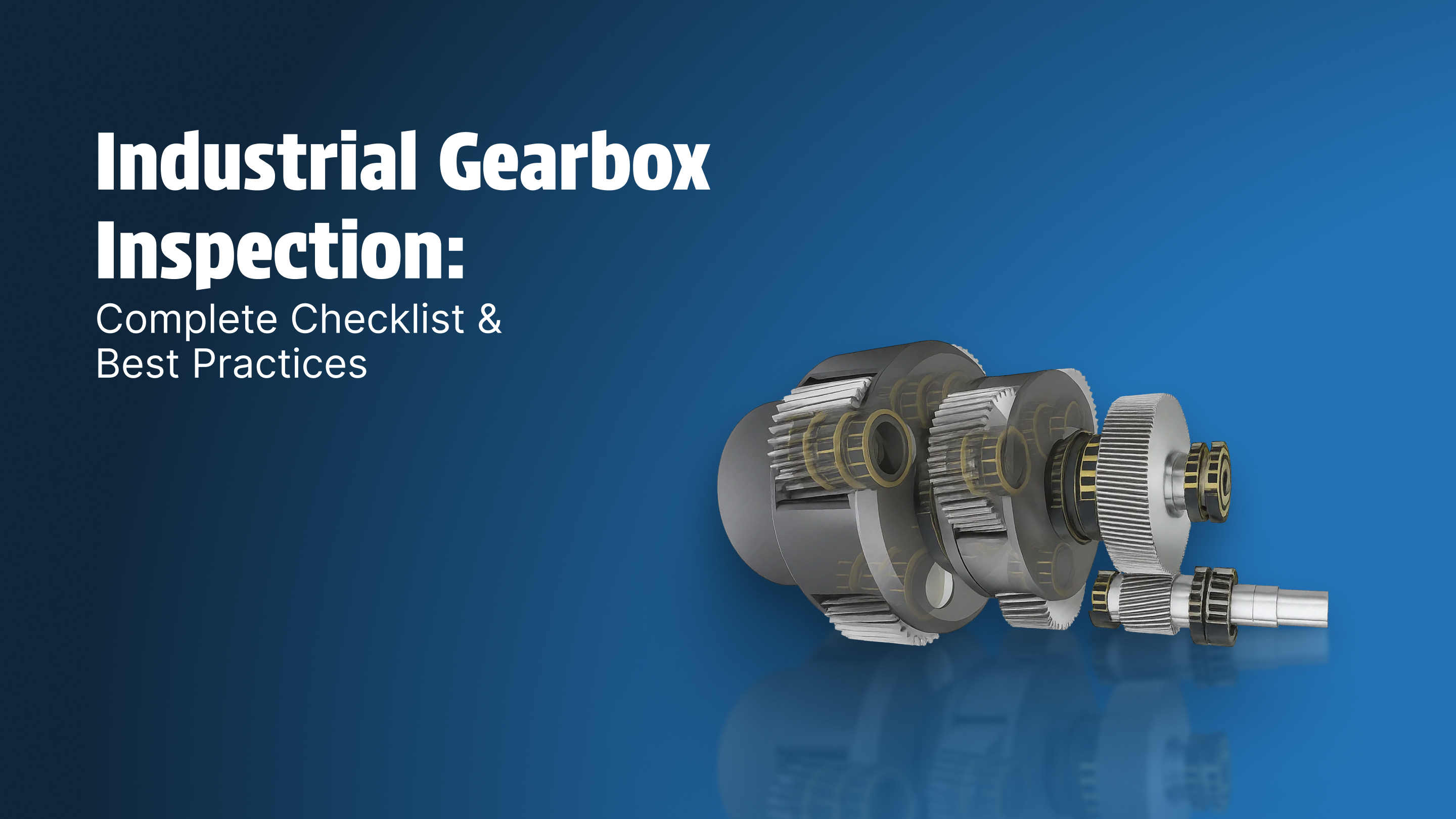
Unexpected gearbox failures can bring production to a standstill and create urgent maintenance challenges. Plant managers and maintenance teams need reliable methods to detect wear, misalignment, and lubrication problems before they escalate. Conducting a thorough industrial gearbox inspection ensures the equipment operates consistently and avoids costly downtime.
This guide provides a clear checklist and practical best practices to help maintenance teams identify potential issues and take corrective action promptly. Following these steps ensures the performance and reliability of gearboxes across critical machinery such as conveyors, pumps, and mixers.
Key Takeaways
Regular inspections help prevent gearbox failures and reduce unplanned downtime.
External checks target leaks, temperature changes, vibration patterns, and housing condition.
Internal inspections focus on gears, bearings, seals, and lubricant health under proper safety steps.
Predictive diagnostics, vibration monitoring, oil sampling, and temperature tracking identify early-stage issues.
Clear documentation supports informed decisions on repair, retrofit, or replacement for long-term reliability.
Why Regular Industrial Gearbox Inspections Are Important
Regular inspections play a crucial role in maintaining the reliability and longevity of industrial gearboxes. Skipping routine checks can lead to unexpected failures, increased repair costs, and unplanned downtime, all of which can disrupt production schedules and strain maintenance resources.
Key benefits of regular inspections include:
Early detection of wear and damage: Identifies worn gears, shafts, and bearings before they cause major failures.
Lubrication monitoring: Ensures proper lubrication levels and prevents contamination that can degrade components.
Alignment verification: Maintains correct gear alignment to reduce vibration, noise, and premature wear.
Extended equipment life: Proactive maintenance minimizes the risk of costly replacements and improves overall reliability.
To make these inspections effective, the next step is ensuring you’re fully prepared with the right tools.
Preparing for Inspection with Proper Documentation, Tools, and Safety
Accurate inspections depend on prep. Having the right records, tools, and safety controls in place lets technicians focus on finding real faults, not troubleshooting missing info.
Documentation:
Maintenance history: Review past inspections, repairs, and component replacements to identify recurring issues.
Manufacturer manuals: Keep gearbox specifications and operational guidelines handy for reference.
Checklists and templates: Use structured forms to record findings and track follow-up actions.
Tools and Equipment:
Inspection tools such as dial indicators, vibration analyzers, and thermometers.
Lubrication testing kits to check oil quality and contamination levels.
Proper cleaning equipment to remove debris and prevent measurement errors.
Safety Measures:
Lockout/tagout procedures to ensure the gearbox is safely isolated from power sources.
Personal protective equipment (PPE), including gloves, safety glasses, and protective clothing.
Clear workspace setup to prevent slips, trips, or accidental contact with moving parts.
With prep done, it's time to focus on what matters on the surface, such as external indicators that often point to deeper internal issues.
What to Look for During an External Gearbox Assessment
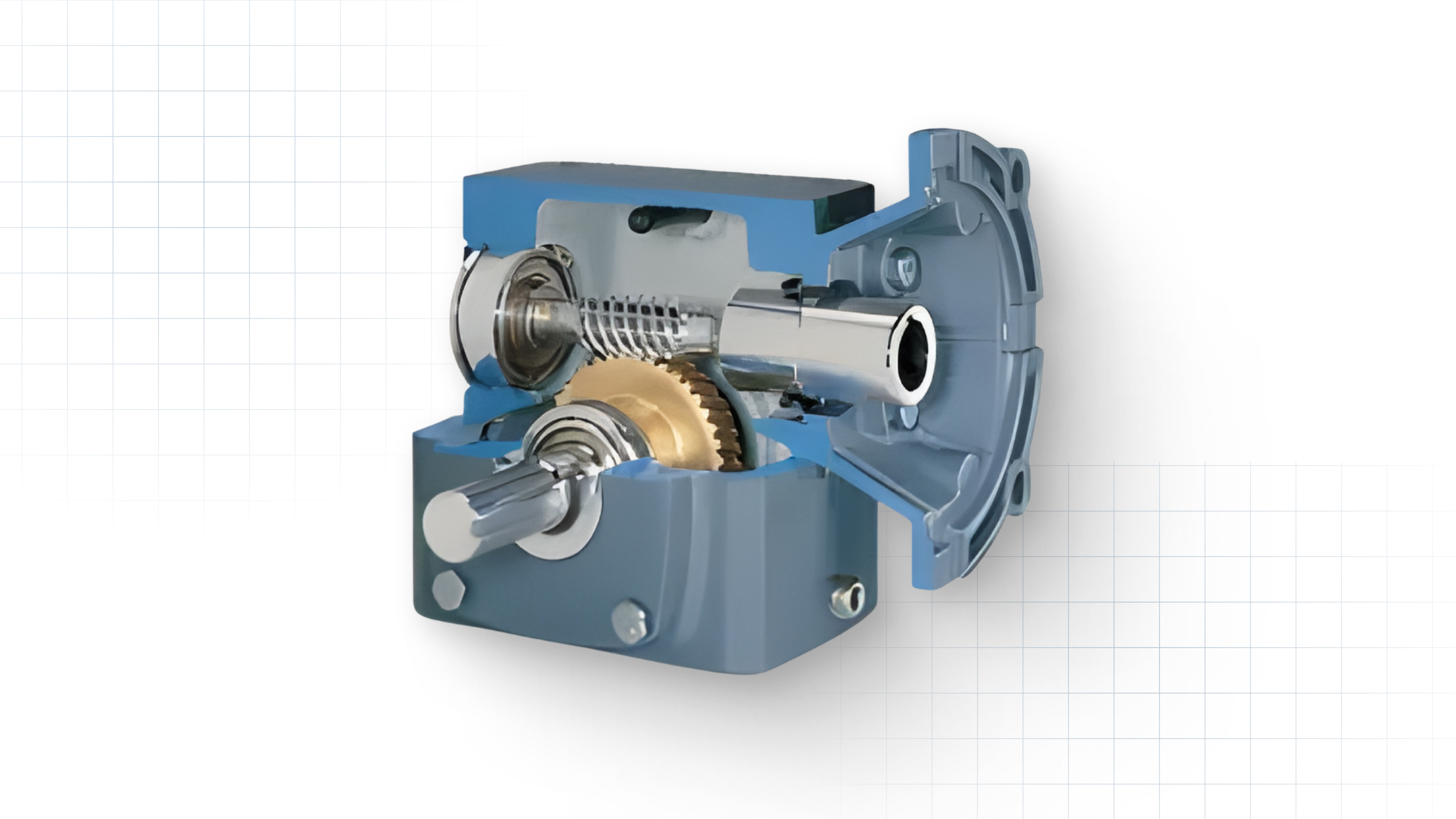
An external gearbox assessment allows maintenance teams to spot visible signs of wear, damage, or operational issues before they affect performance. Look for the following:
Leaks and Oil Seepage: Check for oil leaks around seals, gaskets, and joints. Persistent leaks can indicate worn seals or excessive pressure inside the gearbox.
Physical Damage: Inspect the housing for cracks, dents, or corrosion. Any structural damage can compromise gearbox integrity and alignment.
Loose or Missing Fasteners: Verify that bolts, nuts, and mounting hardware are secure. Loose components can lead to vibration, misalignment, and accelerated wear.
Abnormal Noise or Vibration: Listen for unusual sounds or vibration during operation. These signs often point to misaligned shafts, worn gears, or bearing issues.
Temperature Irregularities: Feel the surface of the gearbox (if safe) or use infrared sensors to detect hotspots. Overheating may indicate lubrication problems or excessive friction.
If the exterior looks sound, the next step is to analyze how the gearbox is performing under load through its thermal, acoustic, and vibrational patterns.
Detecting Problems Through Heat, Noise, and Vibration
Monitoring heat, noise, and vibration is a key method for identifying issues in industrial gearboxes before they lead to failures. These indicators often reveal internal problems that are not visible during an external assessment, helping maintenance teams address concerns proactively.
Excessive Heat: Unusual temperature rises in the gearbox can signal inadequate lubrication, friction between gears, or bearing wear. Using infrared thermometers or thermal cameras provides accurate detection without disassembly.
Unusual Noise: Grinding, whining, or knocking sounds may indicate misaligned gears, worn bearings, or loose components. Listening during operation can help pinpoint the source of the problem.
Vibration Irregularities: Increased or uneven vibration often points to imbalance, misalignment, or internal gear damage. Vibration analyzers can quantify these issues and guide maintenance actions.
If your monitoring uncovers performance abnormalities, Midwest Power Products is equipped to step in. From emergency repairs to application-specific recommendations across over 50 drivetrain manufacturers, our team can help you stabilize operations quickly.
Safely Conduct Internal Gearbox Inspections
Internal gearbox inspections require careful preparation to protect personnel and ensure accurate assessment of components. Following structured safety protocols minimizes risk and helps identify issues before they cause failures.
Preparation and Safety:
Lockout/Tagout: Fully isolate the gearbox from all power sources and verify it cannot rotate accidentally.
Personal Protective Equipment (PPE): Use gloves, safety glasses, and protective clothing to prevent injury from sharp edges or oil exposure.
Work Area Setup: Keep tools organized, clean surfaces, and use proper lighting to avoid errors during inspection.
Inspection Steps:
Access Gearbox Internals Safely: Use manufacturer-recommended procedures to remove covers and housings, supporting heavy components to prevent damage or injury.
Examine Gears and Shafts: Inspect for pitting, scoring, misalignment, or excessive backlash.
Check Bearings and Seals: Look for wear, looseness, or leakage that can affect performance.
Evaluate Lubrication: Test oil condition for contamination, viscosity, and proper fill level.
Document Findings: Record observations and measurements for maintenance planning and trend tracking.
Now, the next priority is understanding how well the gearbox is being protected, starting with its lubrication and filtration systems.
Evaluate Lubricants and Filtration Systems
Proper lubrication and effective filtration are essential for gearbox performance and longevity. Regular evaluation helps prevent wear, overheating, and contamination-related failures.
Key steps include:
Check Oil Condition: Assess viscosity, color, and presence of contaminants such as metal particles or water.
Verify Oil Levels: Ensure the gearbox is filled to the manufacturer-recommended level to maintain proper gear and bearing lubrication.
Inspect Filtration Systems: Clean or replace filters as needed to prevent debris from circulating through the gearbox.
Monitor Oil Change Intervals: Follow recommended schedules based on operating conditions and manufacturer guidelines.
Lubrication gives insight into internal conditions, but gearbox reliability also depends on alignment and load distribution, making a structural check the logical next move.
Checking Alignment, Load, and Mounting Integrity
Proper alignment, correct load distribution, and secure mounting are essential to prevent premature gearbox wear and failure. Maintenance teams should address these factors systematically to ensure reliable operation.
Alignment Checks:
Use dial indicators or laser alignment tools to verify shaft alignment. Misalignment can cause vibration, noise, and accelerated bearing or gear wear.
Inspect coupling condition and alignment under operating conditions to detect thermal or load-induced shifts.
Load Verification:
Review operational records to confirm the gearbox is not subjected to torque, shock loads, or cycles beyond its rated capacity.
Check for uneven load distribution across shafts and gears that may indicate misalignment or worn components.
Mounting Integrity:
Inspect baseplates, anchor bolts, and mounting brackets for looseness, cracks, or corrosion.
Ensure vibration dampers or pads are correctly installed and in good condition to reduce stress on the gearbox.
If alignment or mounting issues reveal stress on high-speed gearboxes, Midwest Power Products offers OEM-spec rebuild and replacement solutions. Our team ensures every gearbox is repaired or replaced to meet the exact requirements of leading brands, keeping operations in power generation, hydroelectric, wastewater, and other industrial applications running reliably.
Using Predictive Diagnostics to Identify Issues Early
Predictive diagnostics help maintenance teams spot gearbox issues early, enabling timely interventions that reduce downtime and repair costs.
Key predictive techniques include:
Vibration Analysis: Measure vibration patterns using accelerometers to identify imbalance, misalignment, or bearing wear.
Temperature Monitoring: Track gearbox temperatures with infrared sensors or thermocouples to detect overheating from friction or lubrication issues.
Lubricant Analysis: Test oil for metal particles, contamination, and viscosity changes that indicate internal wear.
Noise Monitoring: Use acoustic sensors or portable devices to detect abnormal sounds from gears or bearings.
Predictive diagnostics highlight what needs attention; organizing these findings and planning maintenance ensures issues are addressed efficiently.
Documenting Findings and Planning Maintenance Actions
Clear records allow teams to track recurring issues, measure component wear over time, and plan interventions efficiently.
Here are some best practices for documentation:
Record inspection results, including wear patterns, lubrication condition, and alignment measurements.
Note any abnormal noises, vibrations, or temperature irregularities observed during inspection.
Use standardized checklists or digital maintenance systems to maintain consistency and facilitate trend analysis.
Plan follow-up actions based on severity, potential impact, and priority of issues identified.
Documented inspections provide the insights needed to determine the most effective corrective action to choose from. Let’s take a look at the options next.
Repair, Retrofit, or Replace: How to Decide What’s Best?
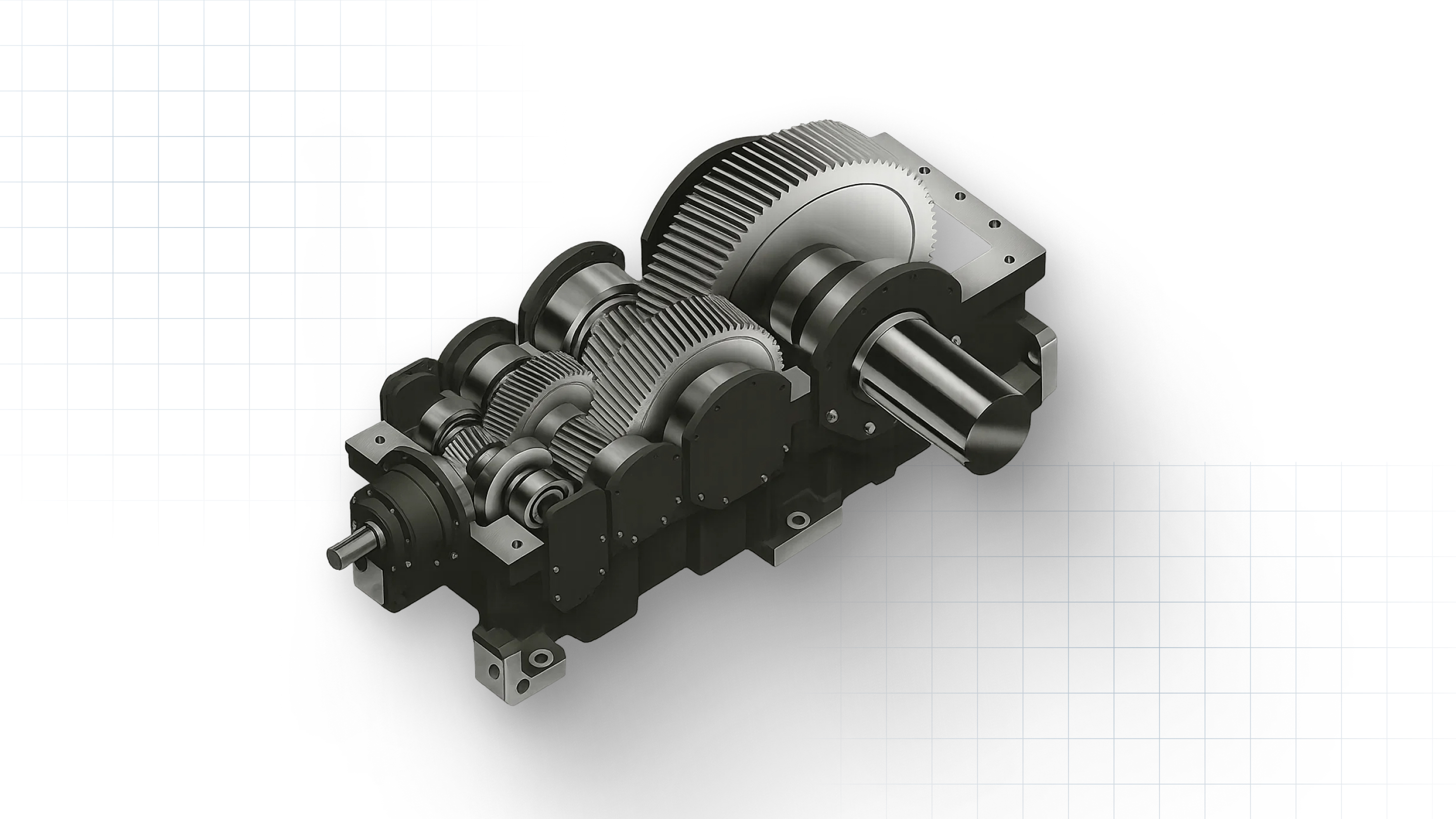
Choosing the right corrective action depends on the condition of the gearbox, operational demands, and cost considerations.
Decision Guidelines:
Repair: Suitable for minor wear, seal leaks, or replaceable bearings. Quick repair restores function without high cost.
Retrofit/Upgrade: Consider when performance improvements, increased load capacity, or updated technology are needed. Retrofits can extend service life without full replacement.
Replace: Necessary for severe damage, multiple component failures, or when the gearbox no longer meets operational requirements. Replacement ensures long-term reliability and reduces unexpected downtime.
Evaluating the gearbox carefully against operational requirements ensures maintenance teams choose the most effective, cost-efficient solution.
Conclusion
Consistent gearbox inspections give maintenance teams a clear picture of equipment health and help prevent issues that slow production or strain budgets. A focused approach ensures every inspection leads to informed decisions rather than guesswork.
Midwest Power Products supports these efforts with proven expertise, access to leading brands, and fast-response service for plants that cannot afford delays. Their team assists with application questions, sourcing, emergency repairs, and replacement units for a wide range of industries.
If your facility needs guidance or dependable gearbox solutions, reach out to our specialists today.
FAQ’s
1. How often should an industrial gearbox be inspected in high-duty environments?
Gearboxes running under continuous or heavy loads benefit from quarterly inspections. Plants with fluctuating loads or harsh conditions may require monthly checks to prevent early wear.
2. What signs indicate that a gearbox may be operating outside its designed load capacity?
Frequent overheating, recurring vibration issues, and accelerated lubricant breakdown often point to excessive load or shock loading. These indicators should prompt a detailed load assessment.
3. Can lubricant selection impact gearbox noise and temperature levels?
Yes. The wrong viscosity or formulation can increase friction, leading to higher temperatures and audible gear noise. Using manufacturer-approved lubricants reduces these issues significantly.
4. When should maintenance teams consider oil sampling instead of a full teardown?
Oil sampling is useful when there are early signs of contamination, minor temperature changes, or vibration anomalies. It provides insight into internal wear without interrupting production.
5. What factors determine if a gearbox can be upgraded instead of replaced?
Available spare parts, housing condition, shaft integrity, and compatibility with modern components influence whether a retrofit is feasible. A technician familiar with the gearbox brand can evaluate upgrade potential quickly.