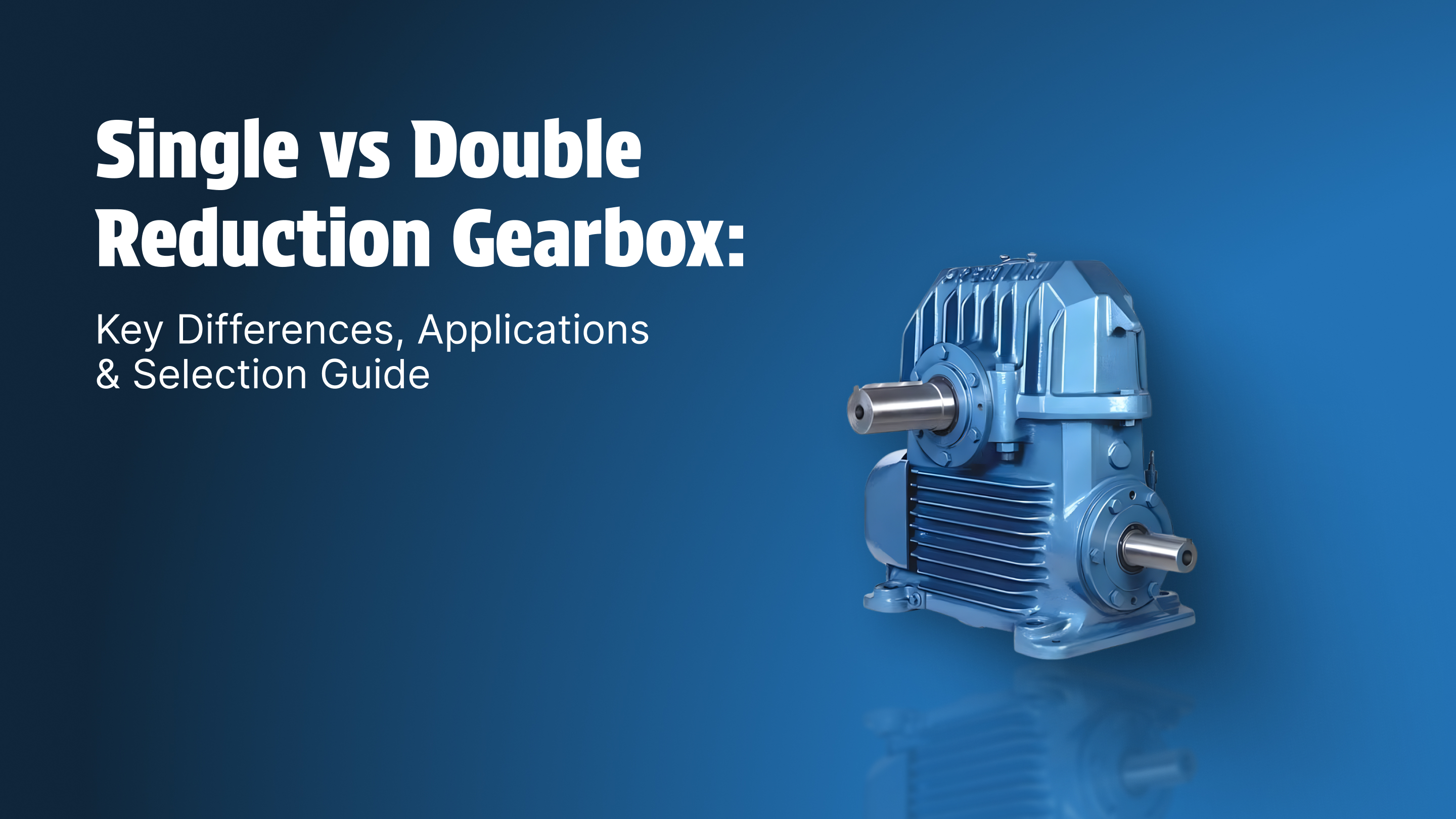
Gearbox selection often comes down to how much torque a system needs and how much speed it must control. In many facilities, the decision between a single or double reduction gearbox affects installation planning, maintenance schedules, and long-term operating stability.
Single reduction units suit simple speed ratios, while double reduction designs handle higher load demands with greater ratio flexibility. For engineers responsible for uptime and consistent output, knowing where each type fits can prevent mismatches that lead to premature wear or performance issues.
This guide outlines the key differences between single vs double reduction gearboxes and provides clear direction for selecting the right configuration.
Quick Overview
Single reduction gearboxes fit moderate torque needs and simpler ratio requirements.
Double reduction gearboxes support higher torque, wider ratios, and heavier-duty applications.
Load distribution differs: single-stage units carry all the force on one mesh, while double-stage units share the load.
Application fit depends on torque demand, output speed, duty cycle, and available installation space.
Correct gearbox selection lowers energy use, prevents premature wear, and reduces long-term operating costs.
Why Choosing the Right Gearbox Matters for Industrial Applications
The gearbox dictates how well a system handles load variations, speed requirements, and continuous operation. A mismatch can place unnecessary strain on the motor and driven equipment, leading to higher temperatures, faster wear, and more frequent service interruptions.
When the gearbox is correctly matched to the application, the entire drive system operates with greater stability and predictable performance. Key reasons this choice matters:
Torque Delivery: Ensures the machine can start, stop, and run at the required load without excessive stress.
Speed Control: Maintains consistent output speed for conveyors, mixers, pumps, and other driven equipment.
Heat Management: Prevents temperature spikes that reduce lubricant life and damage internal components.
Duty Cycle Alignment: Supports long operating hours without premature wear.
Maintenance Planning: Reduces unplanned downtime and keeps rebuild or replacement cycles predictable.
These performance outcomes stem directly from the gearbox’s design, making it essential to compare single vs double reduction units.
Gear Design and Performance Differences Between Single and Double Reduction Units
Gear design affects how each unit manages load, ratio range, and long-term reliability. Single reduction gearboxes use one gear pair, while double reduction models add a second stage to reach higher torque and lower output speeds. This structural difference shapes how each type performs in industrial environments.
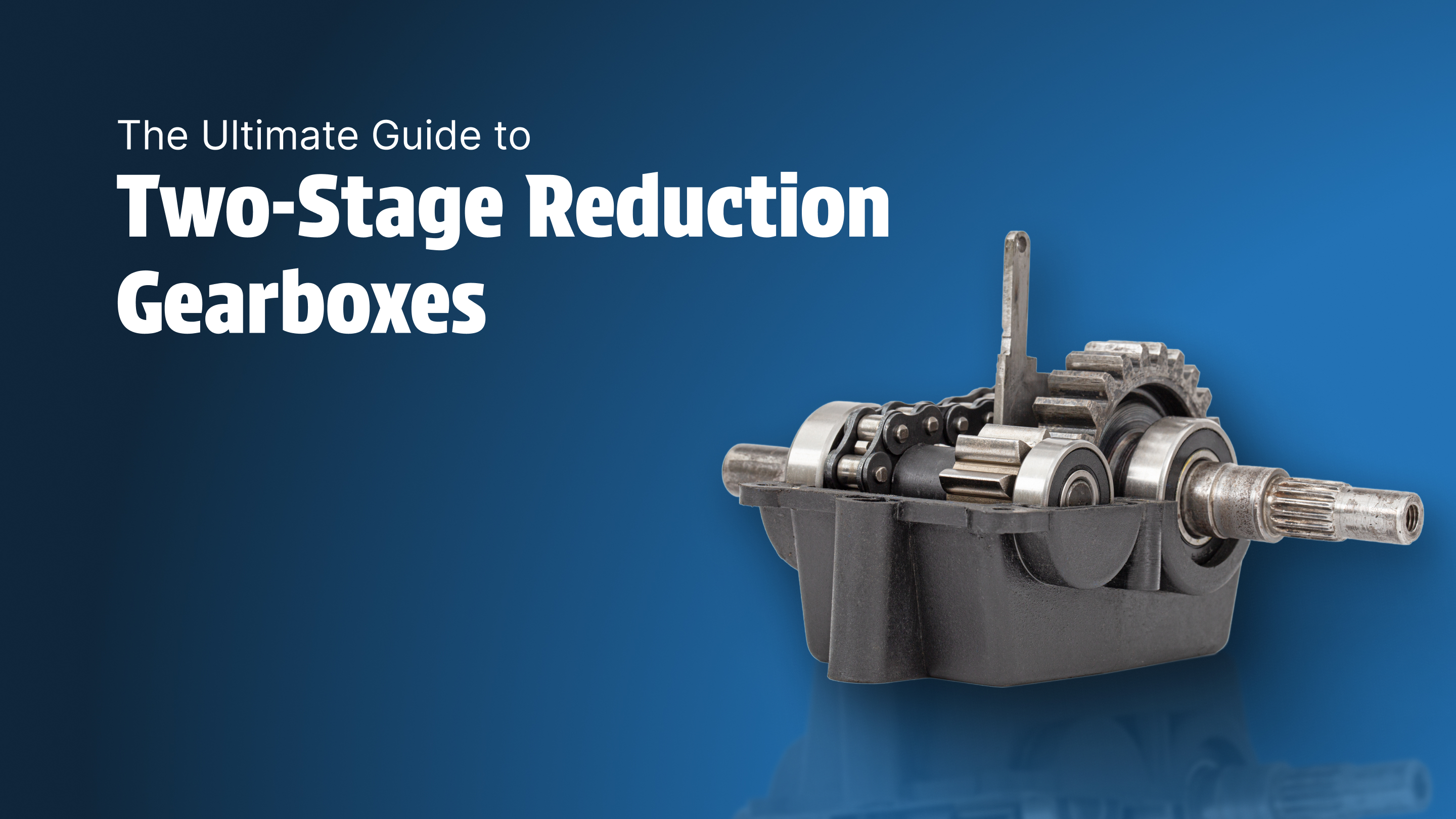
Gear Stages: Single reduction units rely on one gear mesh, creating a shorter power path. Double reduction units introduce a second gear mesh, allowing higher ratios and greater torque control.
Torque Handling: Single reduction gearboxes support moderate torque requirements, while double reduction units manage heavier loads and tougher startup conditions.
Speed Ratio Range: Single reduction designs offer limited ratio flexibility. Double reduction designs reach wider ratio ranges suited for low-speed or high-load equipment.
Power Transmission Losses: Single reduction units have fewer points of friction, resulting in minimal internal losses. Double reduction units add a second stage, which introduces modest additional losses but expands performance capability.
Load Distribution: Single reduction gearboxes concentrate force on one gear set. Double reduction units distribute load across two stages, improving durability in demanding or continuous-duty systems.
Knowing how gear design affects performance helps identify the key factors to consider when selecting the right gearbox for an application.
What Design Factors Should You Consider
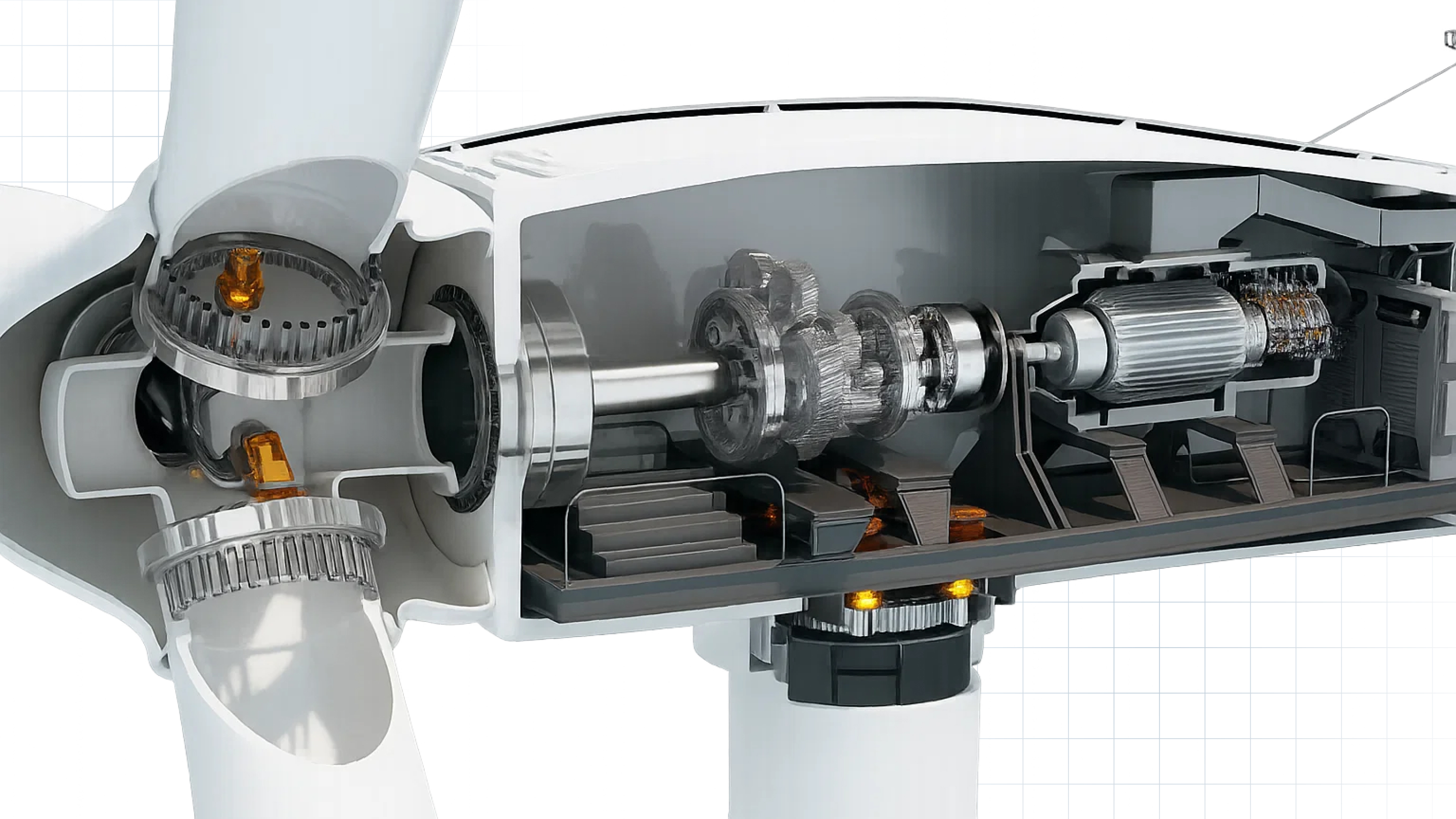
Selecting between single and double reduction gearboxes requires a close look at how the unit will operate in your system. Key design factors to review:
Required Torque and Load Profile: The gearbox must support both running torque and peak loads without strain on the gears, bearings, or motor.
Output Speed and Ratio Range: Your application’s target output speed determines whether a single-stage ratio is sufficient or a two-stage design is needed for finer control.
Duty Cycle: Continuous-duty systems demand stronger thermal stability and load handling, often favoring double reduction units.
Mounting and Space Constraints: Single reduction units typically offer a more compact footprint, while double reduction models require added space for the second stage.
Lubrication Method: Check whether splash, forced lubrication, or oil bath designs align with your operating speeds and temperature conditions.
Serviceability and Parts Availability: Evaluate access to rebuild kits, seals, bearings, and gear sets to ensure predictable maintenance schedules.
Need a gearbox solution built to your exact application? Midwest Power Products delivers OEM-grade single and double reduction gearboxes, rebuilds, and replacements with same-day and nationwide support.
How Does Gearbox Choice Impact Operational Costs and Efficiency?
A properly matched gearbox controls energy use, component wear, and system stability. Mismatched units can increase motor load, heat, lubrication needs, and unplanned downtime. Choosing the right gearbox keeps these costs in check. Key operational impacts include:
Energy Use: A gearbox with the right ratio allows the motor to run within its optimal range, reducing unnecessary power draw and lowering monthly operating costs.
Wear on Internal Components: Undersized gearboxes run hotter and place more load on bearings and gear teeth, leading to earlier rebuilds and unplanned parts replacement.
Impact on Motor Life: A mismatch between load demand and gearbox torque output forces the motor to work harder, shortening motor lifespan and increasing replacement expenses.
Lubrication Costs: Excess heat and stress break down oil faster. The right gearbox reduces thermal strain, extending oil change intervals and preventing contamination-related failures.
Downtime and Labor: Gearboxes selected for the correct duty cycle maintain stable performance across shifts, cutting back on stoppages, overtime repairs, and corrective maintenance.
Long-Term ROI: A gearbox that runs within intended load and speed limits requires fewer rebuilds and avoids the ripple effect of drivetrain issues, resulting in predictable long-term operating costs.
The impact on efficiency and maintenance highlights the types of equipment and operations where single or double reduction gearboxes perform best.
Which Industrial Applications Are Best Suited for Single vs Double Reduction Gearboxes?
The choice between single and double reduction gearboxes depends on load, output speed, and equipment type. Matching the design to the application prevents strain on the motor and driven system.
Applications suited for single reduction gearboxes:
Light to medium-duty conveyors: Ideal where moderate torque and simple ratio requirements are sufficient.
Mixers and small processing equipment: Suitable for equipment with consistent loads and steady operating speeds.
Fans, blowers, and air-handling units: Works well in systems that require stable speed with minimal torque fluctuation.
Packaging lines: Fits machines with predictable cycles and lower load spikes.
Applications suited for double reduction gearboxes:
Bulk material conveyors: Supports higher torque demands, especially during startup under load.
Large mixers and agitators: Handles the heavier loading typical in chemical, food, or wastewater processing.
Crushers, shredders, and size-reduction equipment: Provides the torque needed for intermittent shock loads.
Pumps with high-resistance flow: Delivers the lower output speeds and higher torque required for heavy-duty pumping.
Industrial handling systems with variable loads: Maintains stability where output speed and torque requirements fluctuate throughout the shift.
Next, let’s take a look at a clear side-by-side comparison to see the key differences and performance characteristics of single versus double reduction gearboxes.
Single vs Double Reduction Gearbox: Detailed Comparison Table
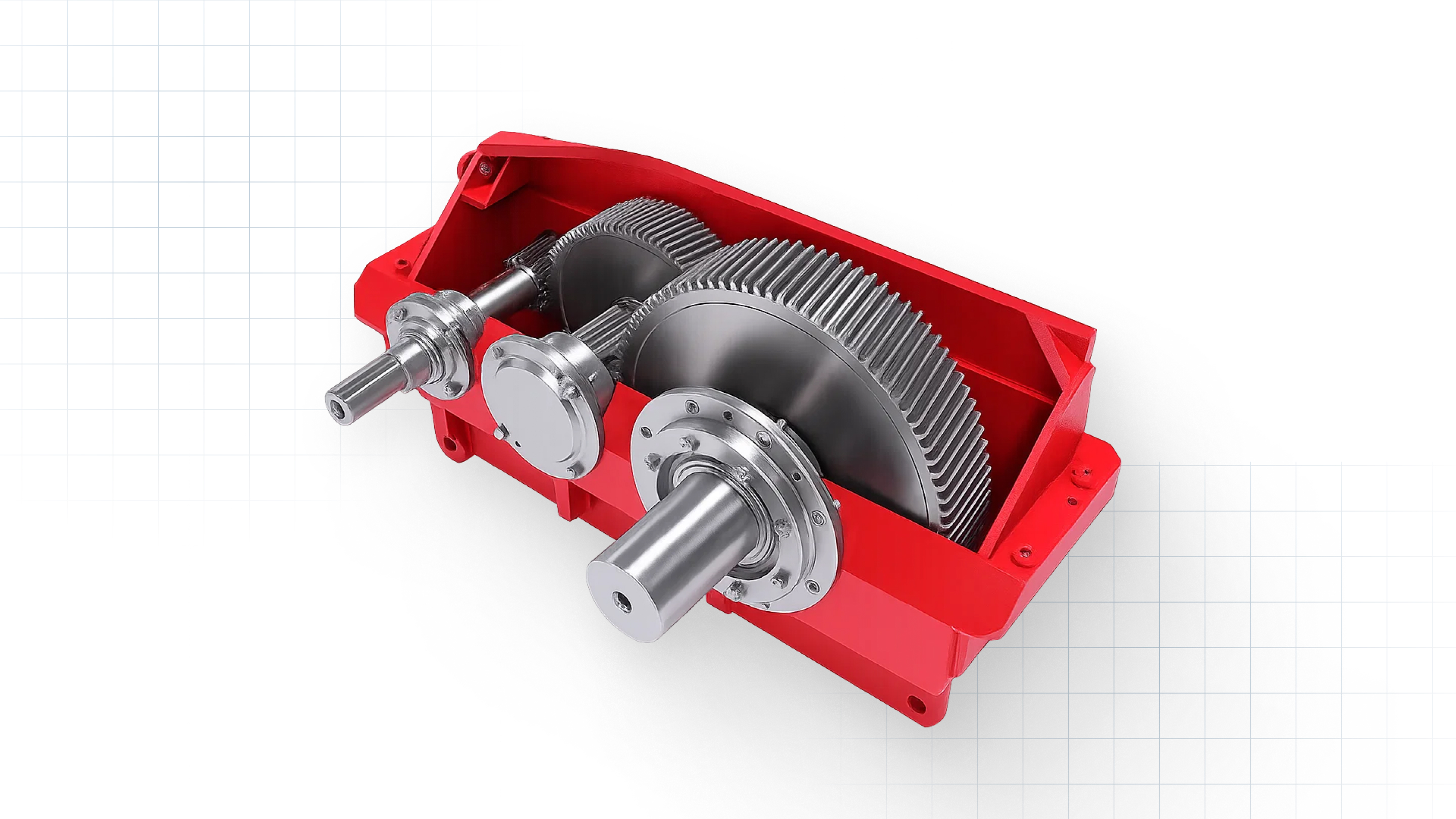
Here’s a quick reference for engineers evaluating the right option for their systems.
Factor | Single Reduction Gearbox | Double Reduction Gearbox |
Number of Gear Stages | One gear mesh; short power path | Two gear meshes; extended power path |
Torque Capacity | Suitable for moderate torque demands | Supports higher torque and heavy startup loads |
Ratio Range | Limited ratio options | Wider ratio range for low-speed, high-load applications |
Load Distribution | Full load on a single gear set | Load is shared across two stages, reducing concentrated stress |
Startup Behavior | Sharper load spikes during startup | Smoother startup due to staged load transfer |
Thermal Performance | Higher temperature rise under heavy load | Better heat control through distributed mechanical strain |
Footprint | Compact and easier to install in tight spaces | Larger footprint due to the added gear stage |
Maintenance Needs | Fewer components to service; simpler rebuilds | Additional components may increase inspection and rebuild time |
Energy Use | Lower internal friction; minimal transmission losses | Slightly higher friction from the second stage, but stable under heavy duty |
Ideal Applications | Light to medium-duty conveyors, fans, small mixers, and packaging lines | Bulk conveyors, crushers, large mixers, heavy-duty pumps, variable-load systems |
Service Life Under Heavy Duty | Shorter lifespan when pushed beyond load limits | Longer lifespan in high-torque or continuous-duty environments |
The differences are clear, but selecting the right gearbox for your system requires expert insight. Our team at Midwest Power Products can help you choose, rebuild, or replace the ideal unit as per your requirements!
Conclusion
A correct match between single and double reduction gearboxes keeps torque demand, speed control, and long-term wear in balance. When equipment runs outside its intended load or ratio range, the entire drivetrain feels the strain.
If you need clarity on sizing, ratio selection, or replacement options, Midwest Power Products provides direct support backed by decades of gearbox experience. The team handles repairs, rebuilds, and OEM-grade replacements across more than 50 manufacturers, with rapid turnaround for urgent needs.
Contact us for application guidance, verified replacements, and dependable gearbox support.
FAQ’s
1. Does a double reduction gearbox always provide higher torque than a single reduction unit?
Not always. While double reduction gearboxes are designed for higher ratios and heavier load conditions, torque output still depends on gear size, gear material, shaft dimensions, and the motor driving the unit. A large single reduction gearbox can outperform a small double reduction gearbox in certain setups.
2. How does operating temperature influence gearbox selection?
Higher operating temperatures can shorten lubricant life and increase the risk of premature wear. If the environment exposes the gearbox to elevated heat or restricted airflow, a design with stronger thermal stability, often a double reduction unit may be required to avoid stress on bearings and seals.
3. Can a single reduction gearbox be upgraded to a double reduction design?
In most cases, no. The housing, shaft layout, and internal spacing are built for a specific stage count. Upgrading usually requires replacing the unit entirely or selecting a new gearbox that matches the mounting pattern and shaft dimensions of the existing setup.
4. Do mounting positions affect the performance of single or double reduction gearboxes?
Yes. Certain mounting orientations may interfere with lubrication flow or place uneven load on bearings. Manufacturers specify approved mounting positions, and selecting the wrong orientation can reduce service life. Verifying this before installation prevents lubrication issues.
5. What signs indicate that the current gearbox ratio no longer fits the application?
Common signs include frequent motor overload trips, inconsistent output speed, elevated noise levels, excessive heat buildup, and difficulty reaching target production rates. These symptoms often point to an undersized ratio or a gearbox that can no longer meet updated process demands.