Gear systems in vehicles and machinery rely on precise timing, smooth power delivery, and dependable control. One example from the automotive segment that often piques the interest of engineers and technicians is the direct-shift gearbox (DSG).
While designed for passenger and performance vehicles, its core principles offer helpful context for anyone working with gearbox technology, including industrial users. This guide explains how a DSG operates and where it is used. It also provides a clear reference point before comparing it with heavy-duty gear reducers in manufacturing and equipment applications.
Quick Summary
A direct shift gearbox (DSG) uses two clutches to deliver quick, smooth gear changes with continuous torque flow.
It improves response, acceleration, and fuel efficiency compared with many traditional transmissions.
Some DSG variants show low-speed jerkiness and may require higher repair costs due to complex components.
DSGs are common in passenger cars, performance vehicles, hybrids, and select light commercial models.
Automotive DSG principles differ from industrial needs; heavy-duty machinery requires high-torque gear reducers supplied and serviced by Midwest Power Products.
What is a Direct Shift Gearbox (DSG)?
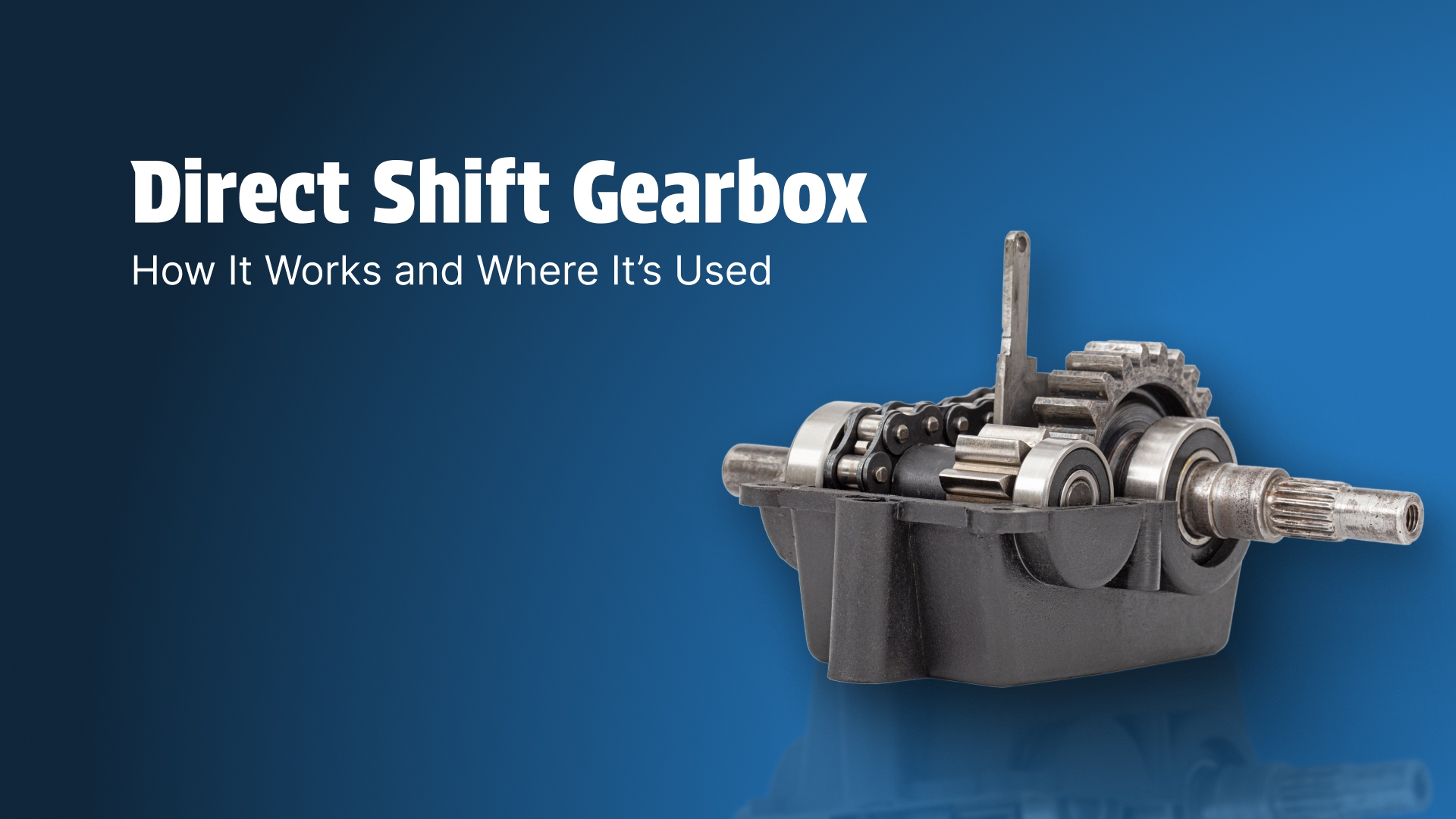
A direct shift gearbox (DSG) is a type of dual-clutch transmission that uses two separate clutches to manage odd and even gear sets. This design allows the next gear to engage while the current gear is still active, reducing power loss during shifts.
The system combines the gear structure of a manual transmission with automated control, allowing fast and consistent gear changes without driver input.
Basic Components of a DSG System
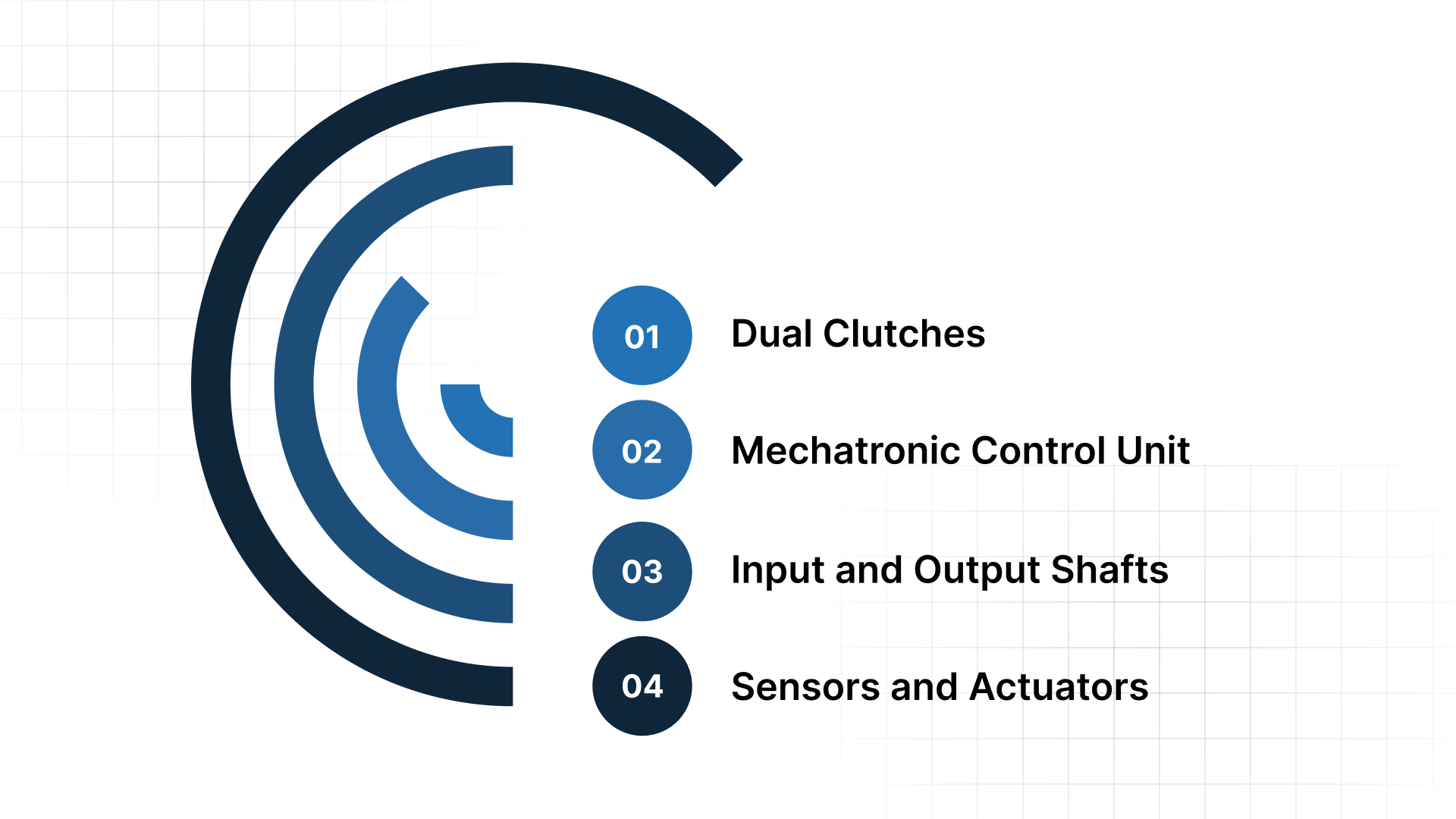
A DSG relies on several key components that work together to manage rapid gear changes:
Dual Clutches: One clutch controls the odd-numbered gears, and the other controls the even-numbered gears. This setup prepares the next gear in advance.
Mechatronic Control Unit: An integrated electronic and hydraulic unit that manages gear selection, clutch control, and shift timing.
Input and Output Shafts: Two input shafts carry the odd and even gear sets, while the output shaft transfers power to the drivetrain.
Sensors and Actuators: Speed, position, and pressure sensors feed data to the control unit. Actuators apply precise movements needed for clutch and gear engagement.
With these core components in place, the next step is understanding how they interact during actual gear changes.
How a Direct Shift Gearbox (DSG) Works
A DSG uses two clutches, two input shafts, and an electronically controlled hydraulic unit to pre-select gears and shift with minimal interruption in power. The control unit manages every movement, ensuring the next gear is ready before the current gear disengages.
Role of Dual Clutches
A DSG relies on two clutches working on separate input shafts to manage odd and even gears independently. This setup allows the gearbox to prepare the next gear before the shift happens.
Odd vs. Even Gears: One clutch controls gears 1, 3, 5, and sometimes 7. The second clutch controls gears 2, 4, and 6. Each clutch is linked to a separate input shaft.
How Pre-Selection Works: While one clutch drives the vehicle in the current gear, the second clutch prepares the next gear on the alternate shaft. This removes the delay found in single-clutch systems.
Role of Mechatronics / ECU
The mechatronic control unit manages the hydraulic and electronic systems that determine when and how shifts occur. It constantly analyzes driver inputs and vehicle conditions to choose the correct gear.
Electronic Control: A combined electronic and hydraulic unit called the mechatronic system monitors throttle input, engine speed, wheel speed, and driving conditions.
Gear Selection Logic: The ECU decides the next gear based on load and speed. Once the next gear is chosen, it positions the shift forks and prepares the corresponding clutch for engagement.
Gear Shift Sequence
The shift sequence in a DSG is coordinated to maintain continuous power delivery. Below is an example of shifting from 1st to 2nd gear:
The first clutch powers the vehicle in 1st gear.
The second clutch holds 2nd gear ready on the alternate shaft.
When the shift point arrives, the first clutch opens.
The second clutch closes at the same moment.
Power flows into 2nd gear with almost no pause.
Why does DSG feel instant? There is no waiting for a gear to engage. The next gear is already prepared, and the clutches switch roles without a gap in power delivery.
Advantages vs. Drawbacks of a DSG system
A Direct Shift Gearbox offers clear performance benefits, but it also comes with engineering and maintenance trade-offs that vehicle buyers and fleet operators should understand. Below, we have outlined the main strengths and limitations to help you evaluate where a DSG fits well and where it may present challenges.
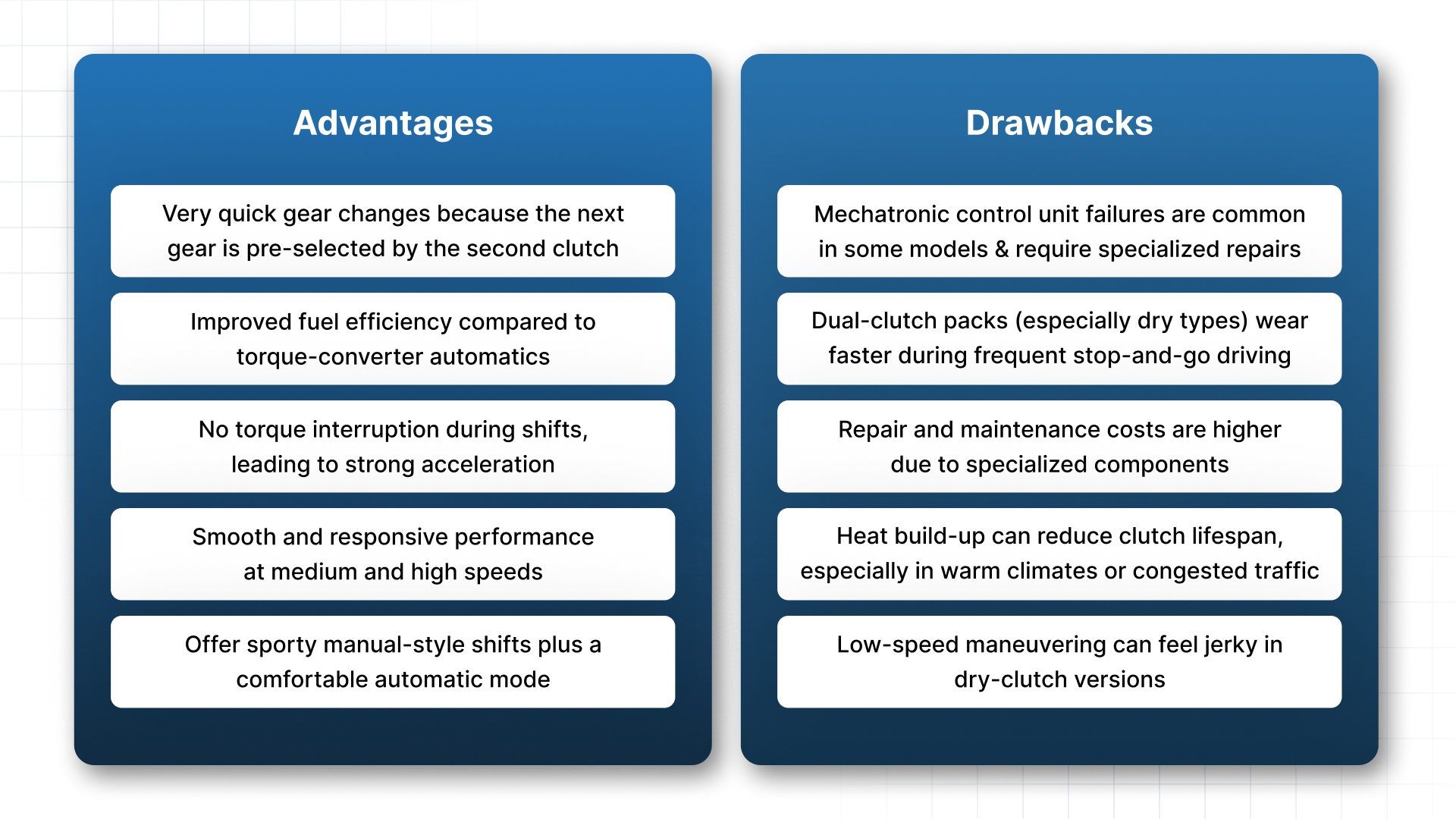
Advantages | Drawbacks |
Very quick gear changes because the next gear is pre-selected by the second clutch | Mechatronic control unit failures are common in some models and require specialized repairs |
Improved fuel efficiency compared to torque-converter automatics | Dual-clutch packs (especially dry types) wear faster during frequent stop-and-go driving |
No torque interruption during shifts, leading to strong acceleration | Repair and maintenance costs are higher due to specialized components |
Smooth and responsive performance at medium and high speeds | Heat build-up can reduce clutch lifespan, especially in warm climates or congested traffic |
Offer sporty manual-style shifts plus a comfortable automatic mode | Low-speed maneuvering can feel jerky in dry-clutch versions |
If you’re looking for heavy-duty gear reducers for industrial equipment, Midwest Power Products supplies, rebuilds, and repairs a wide range of high-torque gearboxes for manufacturing and machinery applications.
With the strengths and limitations of DSG systems clear, the next step is understanding where they deliver the most value.
Applications of DSG in Different Vehicles
Below are some examples of where a direct shift gearbox system fits well and how manufacturers adapt them for different needs.
Passenger Cars
Many mass-market hatchbacks, sedans, and compact SUVs use DSG units to offer smoother acceleration and better fuel performance. These vehicles benefit from the dual-clutch system’s ability to shift with minimal delay.
High-Performance Cars
Sports models often pair DSG units with turbocharged engines to support rapid acceleration. The instant gear changes allow drivers to make use of the engine’s full power band without noticeable pauses.
Electric / Hybrid Adaptations
Fully electric cars rarely need multi-gear transmissions, but some hybrid models use DSG systems to combine engine output with electric motor assistance. This helps the powertrain switch between sources without lag.
Commercial / Utility Vehicles
Certain light commercial vans and utility vehicles use DSG systems to offer smooth city driving, better fuel economy, and reduced driver fatigue. These applications stay within the medium-duty range where a dual-clutch unit can handle load requirements.
However, one crucial aspect to keep in mind is that a DSG is not used in heavy industrial machinery. Manufacturing equipment, construction systems, and large commercial machines require industrial gear reducers designed for high torque, shock loads, and continuous duty cycles.
How a DSG Affects the Driving Experience
A direct shift gearbox influences several aspects of vehicle performance, which can be relevant for engineers or technicians comparing transmission types.
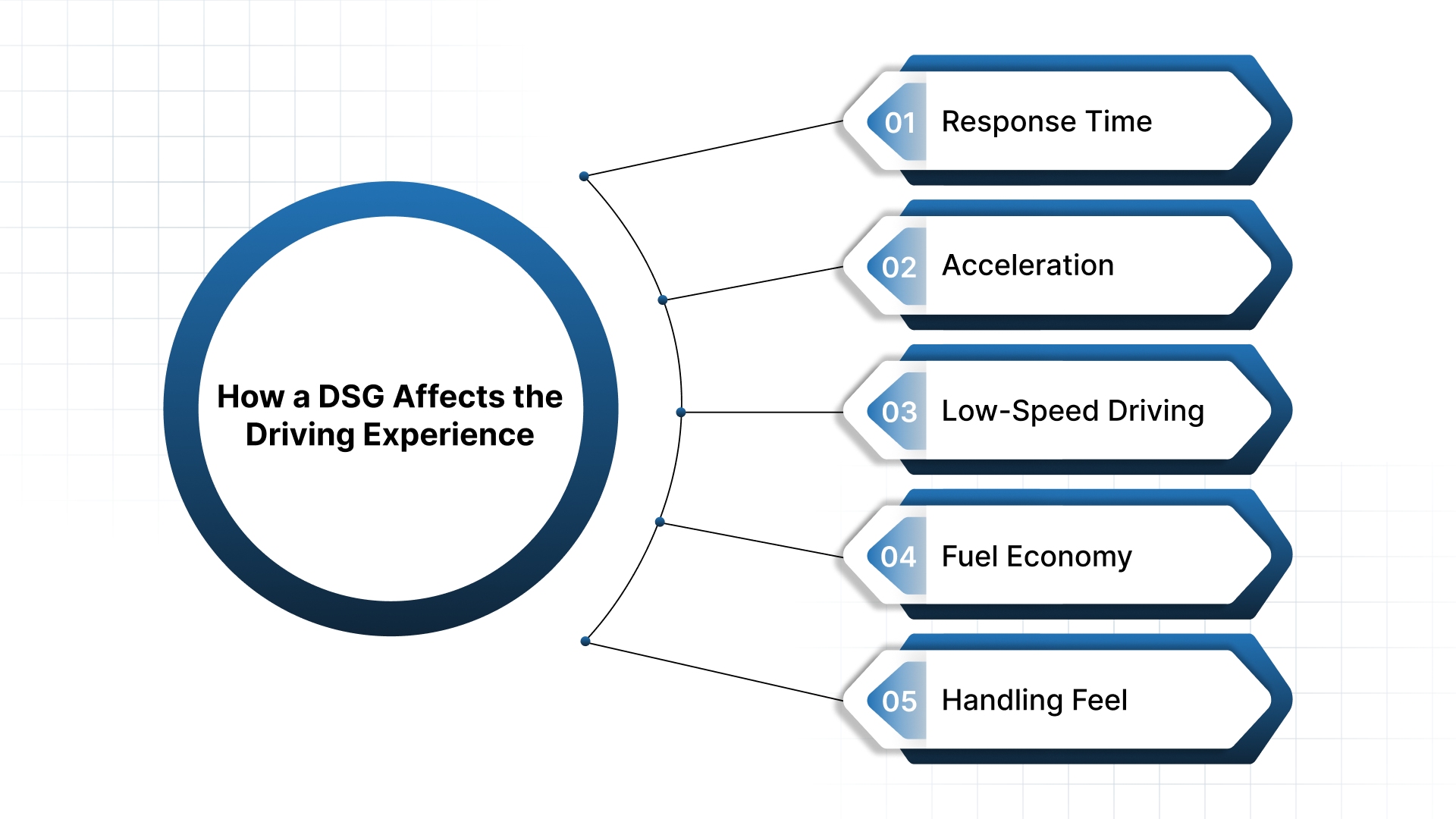
Response Time: DSG systems deliver near-instantaneous gear changes, reducing lag between driver input and power transfer. This ensures smoother acceleration and precise control over the drivetrain.
Acceleration: Because the next gear is pre-selected, DSG-equipped vehicles can maintain continuous torque flow, improving acceleration compared with traditional automatic transmissions.
Low-Speed Driving: At slow speeds, particularly in dry-clutch systems, shifts can feel slightly jerky. This is an important consideration for urban or stop-and-go applications.
Fuel Economy: Efficient gear engagement and reduced power loss during shifts generally improve fuel consumption compared with torque-converter automatics.
Handling Feel: DSG systems provide consistent power delivery and predictable gear changes, which can enhance overall handling response, particularly during performance-oriented driving scenarios.
Now let’s see how DSG compares with other gearbox types in performance, efficiency, and driver control.
DSG vs Other Gearbox Types
This section compares DSG systems with other common gearbox types, highlighting performance, efficiency, and maintenance differences. It also briefly explains how DSG principles differ from industrial gear reducers, keeping the content relevant for industrial readers.
DSG vs Manual Transmission
Control vs Automation: Manual gearboxes rely on driver input, while DSG automates clutch and gear selection.
Shift Time: DSG shifts are faster, with minimal interruption in torque.
Fuel Usage: Continuous torque flow can improve efficiency in certain conditions.
Maintenance: Manuals have simpler repairs; DSG systems require specialized servicing.
DSG vs Torque-Converter Automatic
Comfort vs Performance: Torque-converter automatics offer smooth shifts, DSG provides faster, more responsive gear changes.
Efficiency: DSG reduces power loss during shifts, often improving fuel economy over torque-converter systems.
DSG vs CVT
Drive Feel: CVTs offer seamless, step-less acceleration, while DSG provides predictable and responsive gear changes.
Efficiency: Both can optimize engine output, but DSG maintains continuous torque during shifts, favoring performance.
DSG vs Industrial Gearboxes
While automotive DSGs demonstrate efficient torque transfer and fast shifts, industrial gear reducers are designed for different requirements:
Gear Types: Industrial gearboxes include helical, worm, bevel, and parallel-shaft designs.
Torque & Load: Industrial systems handle higher torque and continuous heavy loads.
Durability: Built for long-term operation in manufacturing, material handling, and heavy machinery.
Purpose: DSGs are unsuitable for industrial machinery due to load, speed, and duty-cycle limits.
DSG illustrates some fundamental gearbox principles, but industrial applications require purpose-built gear reducers for reliability and continuous operation.
Conclusion
A Direct Shift Gearbox (DSG) provides fast gear changes, smooth torque transfer, and efficient performance in vehicles. While DSGs highlight key gearbox principles, industrial machinery requires gear reducers built for high torque and continuous operation.
For reliable industrial gear solutions, Midwest Power Products offers a wide range of gear reducers, gearboxes, and expert repair services. Whether you need a replacement, rebuild, or guidance on industrial drives, MPP ensures efficient, dependable operation.
Contact Midwest Power Products today to discuss your industrial gearbox needs or request a quote.
FAQ’s
1. What does a direct shift gearbox do?
A DSG uses two clutches to manage odd and even gears separately, allowing quick shifts with continuous torque flow.
2. Why can a DSG feel jerky at low speeds?
Dry-clutch DSG systems may show slight shudder or hesitation during slow movement or stop-and-go driving.
3. Is a DSG costly to repair?
Yes. DSG units include clutches, hydraulics, and a mechatronic control module, making repairs more complex and expensive.
4. Does a DSG improve fuel economy?
Often yes. Faster gear changes and reduced power loss during shifts help improve fuel efficiency.
5. Can a DSG be used in industrial machinery?
No. DSG systems are built for vehicles. Industrial machinery requires heavy-duty gear reducers designed for continuous, high-torque loads.