Overheating is one of the leading causes of motor failure in industrial operations, leading to costly downtime and repairs. For engineers, maintenance managers, and OEMs, preventing overheating is critical to maintaining productivity and extending equipment lifespan.
Thermally protected motors offer a reliable solution, ensuring smooth operations while minimizing risk to both machinery and personnel. In this article, we’ll explore how investing in these motors can safeguard industrial equipment and improve operational efficiency.
At A Glance
Thermally protected motors help prevent overheating and reduce the risk of unexpected motor failure in industrial applications.
Thermal protection methods include external devices (overload relays, thermal switches) and internal systems built directly into the motor.
Sensors such as bimetallic strips, thermistors, and solid-state relays provide varying levels of accuracy and response time for temperature monitoring.
Proper selection, installation, and maintenance of thermal protection are essential for reliable performance under different duty cycles and load conditions.
Midwest Power Products supports industrial facilities with reliable motors, gearboxes, and reducers, helping teams select equipment that aligns with performance and protection needs.
What is a Thermally Protected Motor?
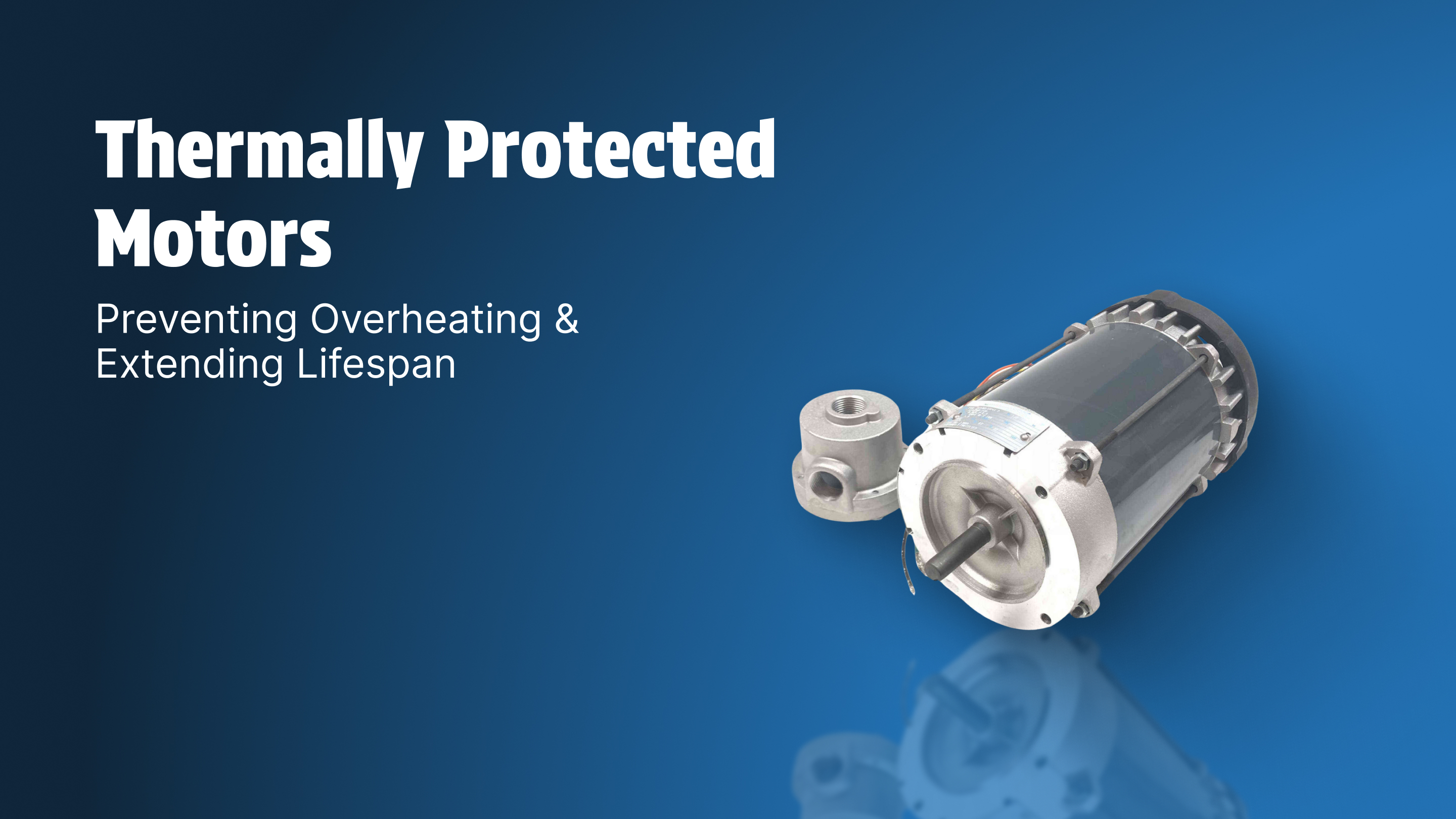
A thermally protected motor is equipped with an internal mechanism that monitors its operating temperature. When the motor reaches a critical temperature threshold, the protection system automatically interrupts power or reduces current to prevent overheating.
This design helps maintain stable operation under heavy loads or challenging industrial conditions. Thermally protected motors are commonly used in gearboxes, conveyors, and other machinery where continuous performance and motor reliability are essential.
Key Benefits of Thermally Protected Motors
Thermally protected motors offer safety and enhance reliability and performance in demanding industrial environments. Here’s how you can benefit:
Prevents Overheating: Automatically interrupts operation before temperatures reach damaging levels.
Reduces Downtime: Minimizes unplanned stoppages, keeping industrial processes running smoothly.
Extends Motor Lifespan: Protects components from thermal stress and premature wear.
Lowers Maintenance Costs: Fewer repairs and replacements due to built-in protection.
Supports Heavy-Duty Applications: Maintains performance under high loads or continuous operation.
Enhances Safety: Reduces risk of fire or equipment damage caused by overheating.
The next section breaks down the different types of thermal protection methods commonly used in industrial motors.
Different Types of Thermal Protection Methods for Motors
Industrial motors use various thermal protection methods to prevent overheating and ensure reliable operation. These methods can be categorized as external or internal protection.
External Protection
External thermal protection devices are installed separately from the motor and monitor its operating conditions. Overload relays track the current drawn by the motor and interrupt power if it exceeds safe levels, preventing damage from prolonged overcurrent.
Thermal switches are mounted on motor components and trigger a shutdown when temperatures exceed predefined thresholds. External protection is ideal for retrofitting existing motors or when separate monitoring is required.
Internal/Built-in Protection
Motors labeled as “thermally protected” have integrated thermal sensors that continuously monitor the motor’s temperature. When overheating is detected, the system automatically reduces current or shuts down the motor to prevent damage.
Built-in protection offers immediate response, minimal maintenance, and consistent safety, making it a preferred choice for new industrial equipment.
Here’s a quick comparison of methods:
Feature | External protection | Internal/Built-in protection |
Installation | Requires separate devices | Integrated within the motos |
Response time | May be slightly slower | Immediate response |
Maintainence | Needs periodic testing | Minimal maintenance |
Reliability | Dependent on the external setup | Self-contained, consistent protection |
Ideal use | Retrofitting existing motors | New motors require automatic safety |
These protection methods rely on specific components to detect and respond to temperature changes. The following section explains the key sensors and devices that enable effective thermal protection in industrial motors.
Thermal Protection Sensors & Devices for Motors
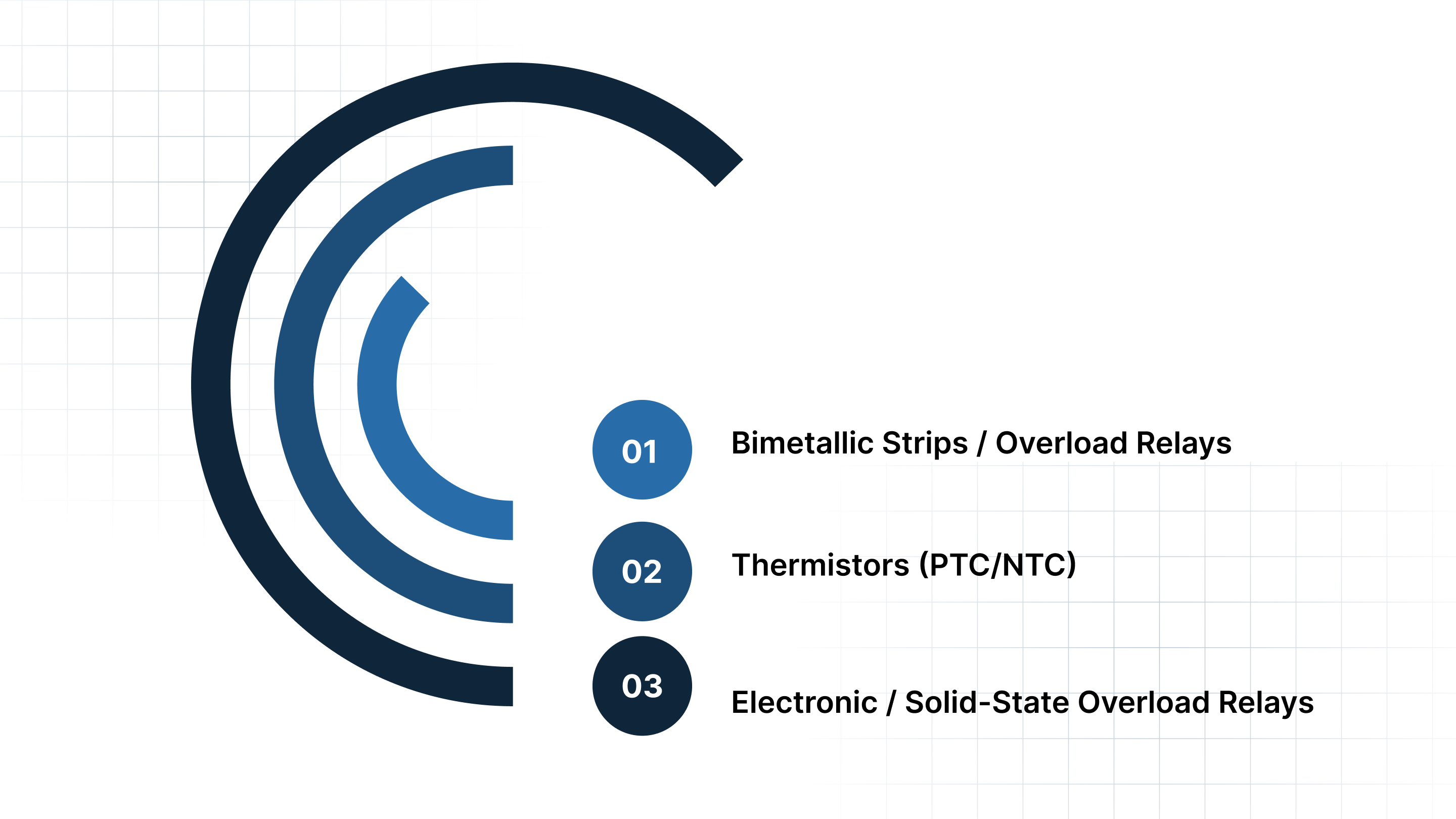
Thermal protection relies on a range of sensors and devices that monitor motor temperature and prevent overheating. These solutions vary in complexity, response time, and accuracy, making them suitable for different industrial applications.
Bimetallic Strips / Overload Relays:
Bimetallic strips consist of two metals with different expansion rates bonded together. When the motor overheats, the strip bends due to differential expansion, triggering a switch that interrupts power.
Similarly, mechanical overload relays monitor current levels and activate a cutoff when excessive current threatens to overheat the motor. These devices are reliable, cost-effective, and widely used in conventional industrial setups.
Thermistors (PTC/NTC):
Thermistors are temperature-sensitive resistors embedded directly in the motor windings. PTC (Positive Temperature Coefficient) thermistors increase resistance as temperature rises, reducing current flow and protecting the motor.
NTC (Negative Temperature Coefficient) thermistors decrease resistance with temperature, and are often used for monitoring and triggering alarms. Thermistors provide rapid, localized detection of overheating within the motor itself.
Electronic / Solid-State Overload Relays:
Electronic or solid-state overload relays use sensors and microcontrollers to monitor current, voltage, and temperature continuously. Unlike mechanical relays, they offer precise, programmable protection, faster response times, and diagnostic features. These relays are ideal for modern industrial systems where accuracy, reliability, and minimal maintenance are critical.
If you’re looking for reliable motors with advanced thermal protection, contact Midwest Power Products today. Our team can help you choose the right equipment to keep your operations running safely and efficiently.
Built-in Thermal Protection Options for Motors
Built-in thermal protection integrates temperature monitoring directly into the motor, automatically preventing overheating without the need for external devices. This feature enhances reliability and simplifies industrial operations.
Benefits of Integrated Protection:
Immediate response to rising temperatures
Minimal maintenance requirements
Space-saving design with no extra devices needed
Consistent and reliable safety under normal operating conditions
Limitations and Considerations:
While built-in protection is convenient, it may not cover all industrial scenarios. Key limitations include:
May lack detailed diagnostic data for predictive maintenance
Not always sufficient for extremely high-load or variable-duty applications
Limited flexibility compared to external protection setups
With these built-in options in mind, let’s explore where thermally protected motors are most commonly used.
Common Applications of Thermally Protected Motors
Thermally protected motors are widely used across industrial and commercial sectors where reliability, safety, and continuous operation are critical. Their built-in protection makes them ideal for equipment that faces heavy loads or variable operating conditions.
HVAC Systems
Heating, ventilation, and air conditioning systems rely on motors to drive fans and compressors. Thermally protected motors prevent overheating in these critical systems, ensuring uninterrupted airflow and climate control.
Pumps and Fans
Industrial pumps and fans often operate continuously under varying loads. Thermally protected motors safeguard these devices from damage due to prolonged operation, preventing costly downtime and repairs.
Conveyors and Material Handling
Conveyor belts and material handling systems depend on reliable motor performance to maintain production flow. Built-in thermal protection reduces the risk of motor failure in these high-demand applications.
Industrial Machinery with Intermittent or Continuous Duty
Machines used in manufacturing, packaging, and processing may run intermittently or continuously. Thermally protected motors provide consistent safety, ensuring equipment longevity and stable operation under diverse duty cycles.
As widespread as these applications are, they also highlight key challenges and considerations in implementing effective thermal protection.
Challenges and Considerations in Thermal Protection
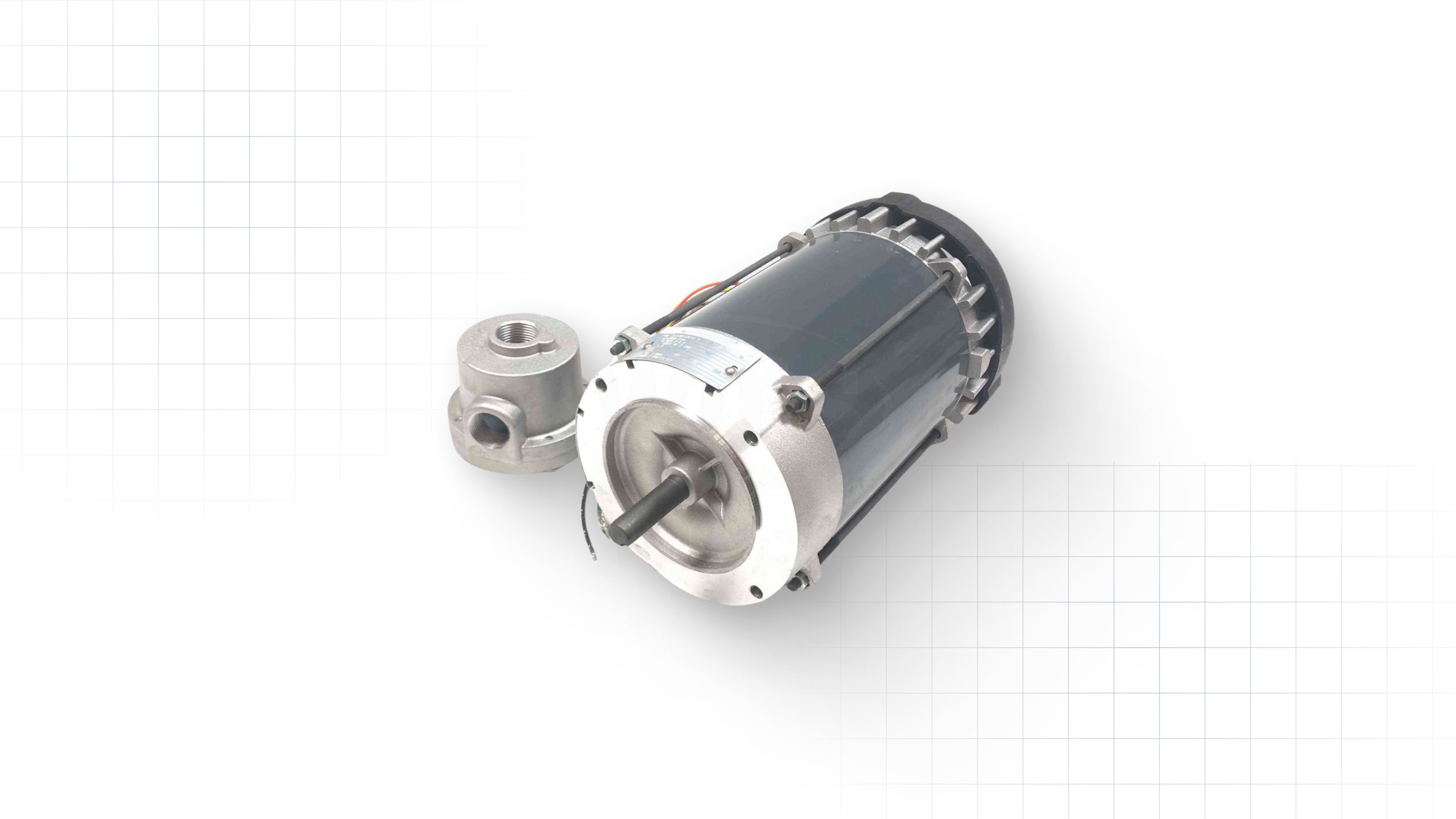
While thermal protection is essential for motor reliability, several factors can affect its effectiveness. Engineers and maintenance managers must account for these challenges when selecting and implementing protection systems.
Key challenges and considerations include:
Heat Buildup from Overload, Voltage Irregularities, or Poor Ventilation: Excessive loads or inconsistent power can cause rapid overheating, even in protected motors. Adequate ventilation and proper electrical supply are critical.
Ambient Temperature and Environmental Effects: High surrounding temperatures or harsh industrial environments can impact sensor accuracy and motor performance. Protection systems should be rated for the operating environment.
Response Time and Accuracy of Sensors: Different protection devices react at varying speeds. Slow response can allow minor overheating to escalate into motor damage.
Matching Protection Type to Motor Duty Cycle and Load: Motors with intermittent or continuous duty require protection systems suited to their operational patterns to avoid nuisance trips or insufficient protection.
Addressing these challenges becomes far easier when you know how to implement and maintain thermal protection effectively.
Practical Implementation and Maintenance of Thermal Protection
Proper implementation and upkeep of thermal protection systems are essential to maximize motor reliability and lifespan. Following best practices ensures that motors operate safely under varying industrial conditions.
Selecting the Right Protection Method
Choose thermal protection based on the motor’s application, load profile, and duty cycle. Continuous-duty motors may benefit more from built-in protection, while high-load or specialized applications might require external or electronic monitoring devices.
Installation, Calibration, and Proper Wiring
Correct installation is critical. Ensure that sensors, relays, and wiring are installed according to manufacturer specifications. Calibration should be performed to match the motor’s rated current, voltage, and thermal limits to avoid false trips or insufficient protection.
Inspection, Maintenance, and Monitoring Tips
To keep thermal protection systems operating reliably, incorporate these essential best practices:
Periodically check thermal sensors and relays for proper operation.
Inspect wiring for signs of wear, corrosion, or loose connections.
Monitor motor performance and temperature trends to detect early warning signs of potential issues.
When to Retrofit or Upgrade Thermal Protection
Consider retrofitting older motors with modern thermal protection if they lack integrated safeguards, or upgrading existing systems when operating conditions change, loads increase, or more precise monitoring is needed. This proactive approach can prevent unexpected downtime and extend motor life.
With these implementation and maintenance practices in place, you're better equipped to ensure long-term motor reliability and protection.
Conclusion
Thermal protection plays a critical role in keeping industrial motors stable, efficient, and safe, especially in applications where continuous performance is essential. Choosing the right protection method reduces downtime, extends equipment life, and reduces unexpected failures across HVAC systems, pumps, conveyors, and other industrial machinery.
At Midwest Power Products, we help you source reliable motors, gearboxes, and gear reducers that support these performance goals. Our broad product range and industry expertise allow us to guide customers toward equipment that fits their operational demands and protection requirements.
If you’re looking for dependable motor or gearbox solutions or need support selecting the right components for your application, contact our team today. We’re here to help you keep your operation running smoothly.
FAQs
1. What is the main purpose of a thermally protected motor?
A thermally protected motor is designed to prevent overheating during operation. It automatically shuts down or limits current when temperatures reach unsafe levels, helping protect the motor from damage and reducing unplanned downtime.
2. Do all industrial motors come with built-in thermal protection?
No. Some motors include internal protection, while others rely on external devices such as overload relays or thermal switches. Always check manufacturer specifications to confirm whether a motor has integrated protection.
3. When should external thermal protection be used instead of built-in protection?
External protection is often preferred in high-load, variable-duty, or harsh environments where added redundancy and more precise monitoring are needed. It’s also ideal when retrofitting older motors that lack internal protection.
4. How often should thermal protection systems be inspected?
Inspection frequency depends on operating conditions, but most industrial environments benefit from periodic checks during routine maintenance. This includes verifying sensor accuracy, testing relays, and ensuring proper ventilation around the motor.
5. Can thermal protection improve the lifespan of industrial motors?
Yes. Effective thermal protection reduces heat-related stress, prevents insulation breakdown, and minimizes the risk of motor burnout, all of which contribute to a longer service life and more reliable operation.